English
 Español

Isolation Valves Decoded: Ball Valve vs Gate Valve
Introduction
Every piping system needs a reliable way to halt fluid during maintenance or emergencies. An isolation water valve is the unsung hero that keeps your plant safe. Let us dive into the different isolation valve types, explore how they work, and help you choose between a gate valve and ball valve for your next project.
What is an Isolation Valve
When you need to repair a pipe or swap out a pressure gauge, you cannot have liquid rushing through your line. An isolation valve is a heavy-duty mechanical switch built into your pipeline to completely cut off the flow of fluid, gas, or slurry. It gives your crew a dry, safe area to work on without shutting down your entire facility.
What Does an Isolation Valve Do
Think of it as a reliable security guard for your piping infrastructure. Its primary jobs are straightforward:
Halts Fluid Completely: It creates a tight, leak-proof barrier inside the pipe so nothing creeps past the seal.
Secures Maintenance Zones: It segments your pipeline so you can work on one section while other areas keep running.
Prevents Environmental Contamination: If a downstream pipe bursts, closing this valve stops chemicals or oil from spilling everywhere.
What is the Isolating Valve Working Principle
The basic isolating valve working principle relies on a simple mechanical obstruction. When you turn the handle or activate the actuator, an internal closing element moves directly into the path of the fluid.
This element can slide up and down linearly, or it can rotate 90 degrees. Once it reaches the closed position, it presses firmly against a soft or hard material called a seat. This contact seals off any gaps, ensuring the fluid loses its path forward.
What Are the Main Types of Isolation Valves
Engineers categorize blocking devices by how their internal mechanisms move to stop the fluid. While the industrial market offers various types of isolation valves—such as lightweight butterfly valves for huge water lines or heavy plug valves for thick sand slurries—the absolute backbone of global piping isolation relies on two dominant designs: the gate valve and the ball valve.
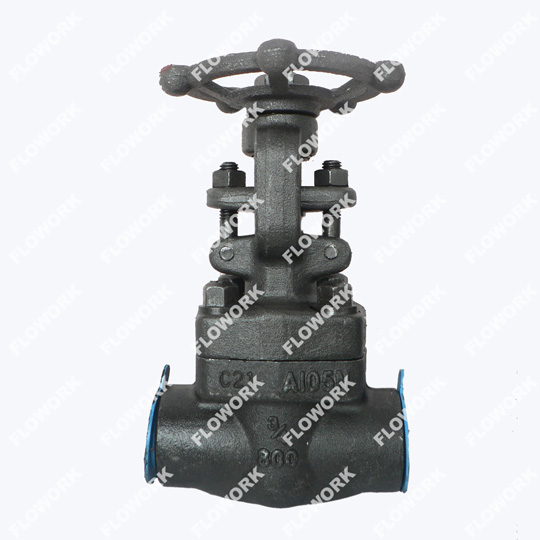
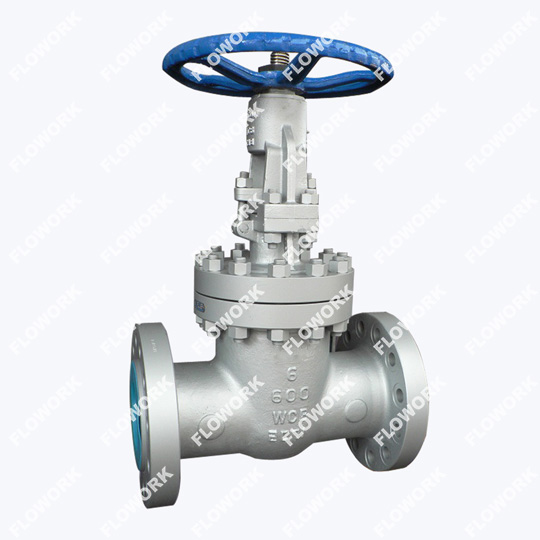
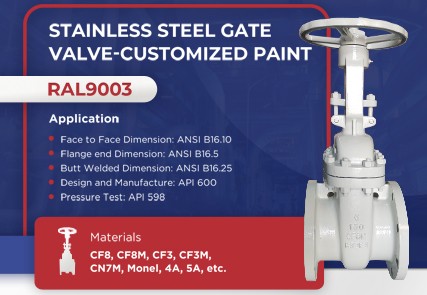
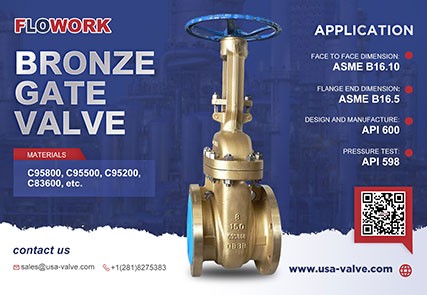
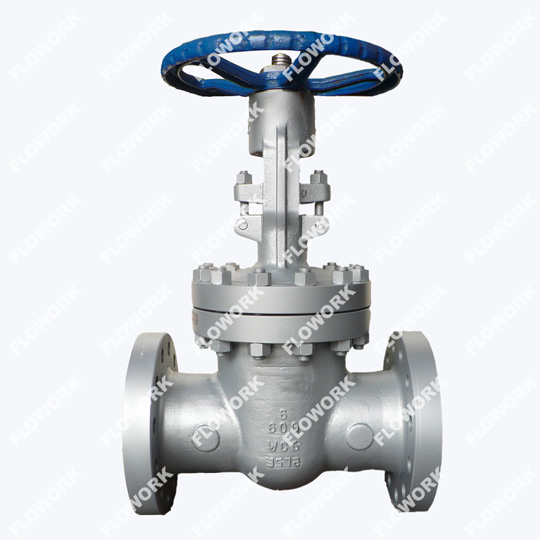
Isolation Gate Valve: The valve relies on a straight line up-and-down movement. The closing barrier pushes down perpendicularly into the fluid stream to block it, acting like a solid wall.
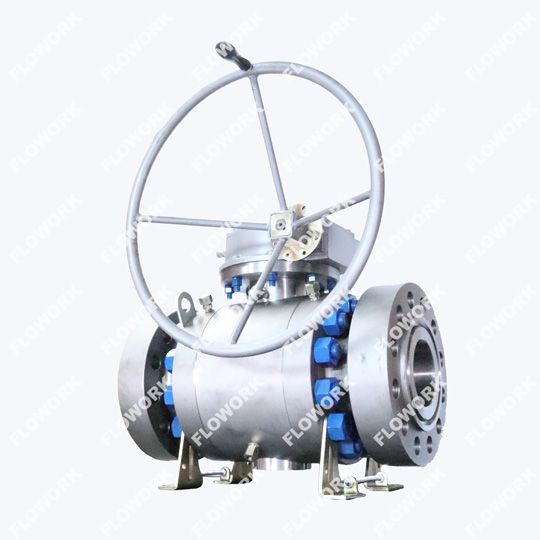
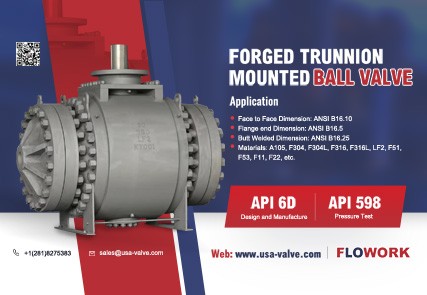
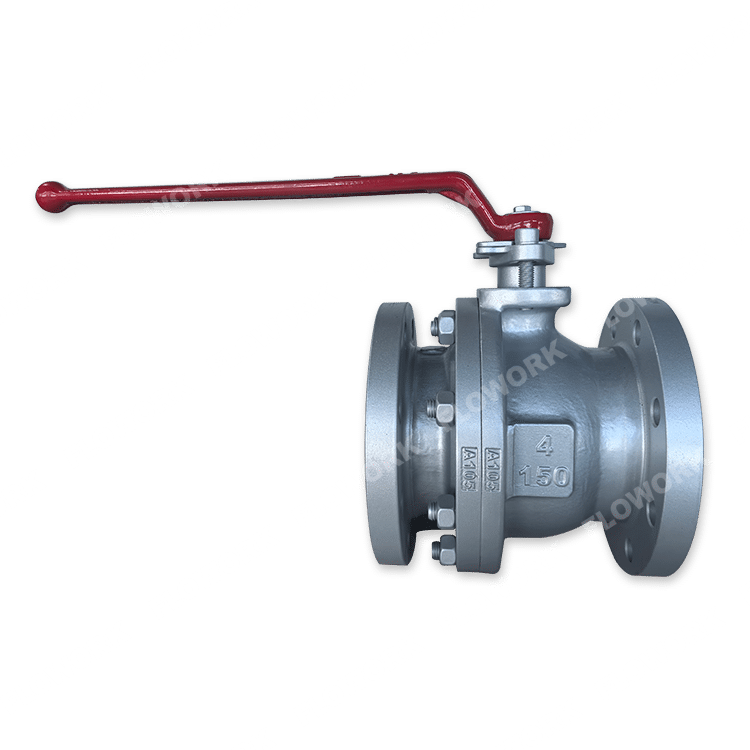
Isolation Ball Valve: The valve operates on a quarter-turn rotation. Instead of moving an entire wedge out of the pipe, the internal blocking element simply spins 90 degrees on its axis to open or close the path.
Gate Valve vs Ball Valve: When to Choose as an Isolation Valve
When your business is engineering a new piping skid, the decision usually comes down to a classic match-up: ball valve vs gate valve. While both act as excellent isolation choices, they perform differently under real-world factory conditions.
The primary difference between a gate valve and a ball valve is their mechanical motion profile. A gate valve relies on multiple turns of a handwheel to lift a heavy wedge, while a ball valve blocks flow with a quick, 90-degree twist of a single lever.
To help your team spot the technical trade-offs immediately, look at how they compare across these mission-critical purchasing factors:
| Selection Factor | Industrial Gate Valve | Industrial Ball Valve |
| Primary Motion Profile | Linear. Multiple handwheel turns slide a heavy wedge up and down. | Rotary. A quick 90-degree turn spins a hollow sphere. |
| Speed of Operation | Slow. Perfect for preventing destructive water hammer in high-velocity lines. | Instant. Ideal for emergency isolation and fast automation. |
| Sealing Profile | Wedge-to-Seat Pressure. Tight seal, but vulnerable to debris trapping in the bottom groove. | Sphere-to-Seat Contact. Excellent bubble-tight seal; wipes away debris as it rotates. |
| Pressure Drop (ΔP) | Absolute Zero. Full-bore designs leave a completely unobstructed fluid tunnel. | Minimal. Full-bore models act like straight pipe; reduced-bore has a minor drop. |
| Physical Clearance | High Vertical Profile. Requires massive overhead space for rising stems. | Compact Envelope. Fits easily into tight modular skids and low-clearance racks. |
| Long-Term Seizing Risk | Moderate-High. Stem threads can jam or rust if left idle for months. | Low. Polished sphere resists scaling, though initial opening torque can spike. |
| Upfront Cost (Large Sizes) | Highly Economical. Exceptionally cost-effective for large diameters (8 inches+). | Higher Investment. Sphere raw materials become expensive in large bore sizes. |
When Should Your Piping System Utilize a Gate Valve Isolation Design
Even though ball valves get a lot of attention in modern automated plants, a gate valve isolation setup remains the undisputed king for specific heavy-duty environments.
Your business should prioritize a gate valve design if your project encounters these three distinct scenario requirements:
You Must Eliminate the Risk of Water Hammer
If your pipeline carries high-velocity liquids, shutting down the flow instantly is a recipe for disaster. A rapid cutoff creates a shockwave that can rupture pipe joints and smash pumps. Because a gate valve requires multiple handwheel turns, it forces a slow, gradual closure that safely decelerates the fluid column.
Your Project Cannot Tolerate Any System Friction Loss
In long-distance transmission lines, fluid friction translates directly into higher electricity bills. When a gate valve is fully open, the wedge retracts completely into the upper bonnet. The fluid encounters a seamless, straight tunnel with zero structural obstacles, keeping your pressure drop at absolute zero.
You Are Designing Large-Diameter Lines
When your pipeline diameter scales up to 10, 12, or 24 inches, a ball valve becomes an absolute monster in terms of physical weight and manufacturing cost. A flanged wedge gate valve provides the exact same blocking capability at a fraction of the upfront procurement budget.
Why is an Isolation Ball Valve the Best Choice for Quick Shutoff
When plant automated safety, zero-leakage precision, or space optimization is your top goal, an isolation ball valve wins the day. Understanding exactly why ball valves are ideal for quick shut-off applications allows engineering teams to maximize plant safety during critical trips.
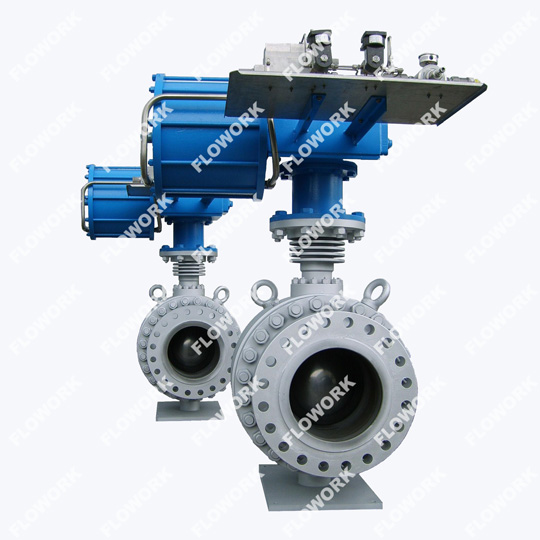
Instant Emergency Response: During a downstream line rupture or chemical spill, your operators do not have time to spin a handwheel twenty times. A ball valve cuts off the flow in less than a second with a swift, 90-degree turn. This rapid action makes them incredibly easy to automate using compact, cost-effective pneumatic or electric actuators.
True Bubble-Tight Seal Integrity: Gate valves rely on a wedge dropping into a bottom groove, which easily traps tiny rust flakes or mineral scale that prevent a tight seal. Ball valves eliminate this vulnerability. The polished sphere stays nestled tightly against its seats, and every cycle performs a mechanical wiping action that clears away scale and soft residues.
Lower Automation Costs: Because a ball spins smoothly on its stem axis rather than fighting vertical fluid drag, the operating friction is highly predictable. This allows your project to source smaller, less power-hungry actuators, saving your business thousands of dollars across a large-scale plant upgrade.
Zero Seat Cavity Exposure When Open: When a ball valve is wide open, the internal sealing seats are completely shielded from the rushing media by the solid walls of the ball's bore hole. In a gate valve, the seating tracks remain constantly exposed to fluid flow, which leads to gradual particle erosion over time.
How to Troubleshoot an Isolating Valve Leaking in the Field
A leaking isolation valve is a quiet profit killer. Because ball and gate valves use completely different internal mechanics, your field troubleshooting steps must adjust accordingly:
Troubleshooting a Leaking Isolation Gate Valve
Check for Seat Pocket Clogging: Dirt or scale often settles into the bottom groove, preventing the wedge from dropping the final 5%. The Fix: Try opening the valve slightly to let the high-velocity fluid flush the debris out before closing it again.
Inspect the Stem Packing Gland: Gate valves feature long stems that rub vertically through packing rings, wearing down graphite seals over time. The Fix: Tighten the packing nut a quarter-turn with a wrench to compress the seal and stop external weeping.
Troubleshooting a Leaking Isolation Ball Valve
Look for Soft Seat Scoring: Ball valves utilize polymeric seats (like PTFE). If high-speed grit passes through while the valve is partially open, it gouges these plastic rings, creating a permanent leak path. The Fix: The soft seats must be replaced.
Check for Actuator Misalignment: If an automated ball valve is bypassing internally, your actuator stops might stop turning at 88 degrees instead of a full 90. The Fix: Recalibrate the actuator travel limits to ensure full closure.
How to Succeed in Replacing Leaking Isolation Valve
When internal sealing faces are deeply scored, your team must prepare for replacing leaking isolation valve components. To ensure a flawless swap, account for the physical differences between the two designs:
Account for Weight and Clearance (Crucial for Gate Valves)
Old flanged gate valves are top-heavy due to their tall bonnets. Always secure the upper valve body with rigging straps or hoists before loosening flange bolts to prevent the valve from tipping and cracking adjacent pipe welds.
Ensure Perfect Stem Alignment (Crucial for Ball Valves)
When lifting a compact isolation ball valve into the pipe gap, never use the valve lever or automated actuator as a leverage handle. This bends the stem and ruins the factory alignment of the internal sphere. Slide the valve into place gently, and tighten the flange bolts in a cross-criss star pattern to ensure even compression.
FAQs
Can I use a standard gate valve to throttle or regulate flow?
No. Gate valves are strictly for on/off isolation. Throttling causes severe vibration, seat erosion, and permanent leakage.
Why is my brand-new ball valve hard to turn?
New ball valves feature tight polymer seats to ensure zero leakage, which naturally creates higher starting torque.
How often should I cycle my backup isolation valves?
You should test and cycle your isolation valves at least once a year to prevent mineral buildup from seizing them.
What causes a gate valve to leak through the bottom groove?
Sediment, rust particles, or sand can settle into the bottom pocket, preventing the wedge from dropping completely into place.
Is a ball valve bidirectional?
Yes, most standard floating and trunnion ball valves can isolate fluid flowing from either direction in your pipeline.
Conclusion
Choosing the right isolation valve types keeps your factory safe and eliminates unexpected downtime. Whether you need a low-friction gate valve or a quick-closing isolation ball valve, matching the design to your fluid medium is key. Ready to secure your piping infrastructure? Contact FLOWORK engineering team today for expert guidance and a fast quote!