English
 Español

What is API 609 Butterfly Valve?
Introduction
Finding the right valve keeps your pipelines running smoothly and protects your budget. If you need a reliable quarter-turn solution, the API 609 butterfly valve standard is the industry benchmark you should look for. Let us break down what this standard means, the different types available, and how to choose the best option for your operations.
What Does API 609 Stand For
When you browse industrial catalogs, you see the letters API everywhere. It stands for the American Petroleum Institute. This organization sets the safety and design rules for equipment used in tough environments like oil refineries and chemical plants.
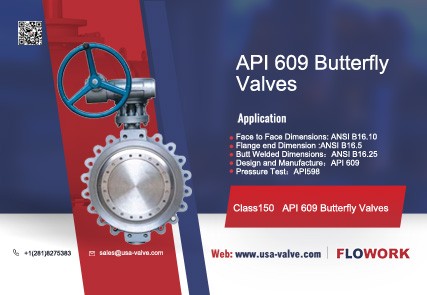
Specifically, API 609 is the dedicated API standard for butterfly valve designs. It covers everything from how thick the metal walls must be to how much pressure the valve can handle before it leaks. When a valve carries this stamp, it means it passed strict international design checks.
What Does the API 609 Butterfly Valve Standard Matter
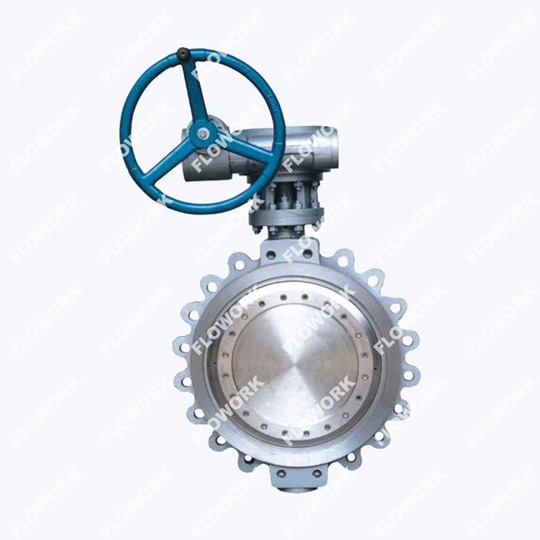
You might wonder why you cannot just buy any generic butterfly valve for your factory. In heavy industry, a single valve failure can halt production or cause a dangerous leak. This standard ensures every valve matches exact dimensions and performance levels.
Guaranteed Interchangeability: If you buy an API butterfly valve from one supplier, it will fit perfectly into the space left by a broken valve from a completely different brand. Face-to-face dimensions are strictly locked in.
Verified Pressure Ratings: You do not have to guess if the valve can handle hot steam or high-pressure gas. The standard assigns clear pressure classes so your engineering team stays safe.
Strict Quality Control: Working with a certified API 609 butterfly valve manufacturer means your products undergo rigorous shell and seat leak testing before they ship to your job site.
3 Features of API 609 Butterfly Valves
These valves stand out because they pack immense flow-control power into a remarkably compact frame. Unlike heavy gate valves, a butterfly valve uses a circular disc that swings open and shut like a revolving door.
Quarter-Turn Action: You only need to rotate the stem 90 degrees to flip the valve from fully open to completely closed. This saves precious seconds during an emergency shutoff.
Lightweight Profile: Because the body is narrow, these valves weigh a fraction of what a ball or globe valve weighs. This puts much less stress on your piping support racks.
Excellent Flow Control: The butterfly valve characteristic curve shows exactly how fluid travels relative to the disc angle. Between 30 and 70 degrees of opening, it offers a predictable, steady change in flow rate, making it highly useful for regulating liquids.
Main API 609 Butterfly Valve Types
When sourcing from an industrial supplier, you will notice that butterfly valves are not categorized by abstract theories. Instead, project engineers group these butterfly valve types based on how they connect to the pipe and how they seal the fluid.
Here are the three main types you need to know to match your piping specifications:
Classification by Connection Type
Wafer Type: This is the most compact and lightweight option. A wafer butterfly valve does not bolt directly to the pipe. Instead, it gets clamped tightly between two pipe flanges. It is highly budget-friendly and saves immense space on modular skids.
Lug Type: This type features protruding metal lugs (threaded holes) around the valve body. You bolt it directly to each flange. The big advantage here is that it allows for dead-end service, meaning you can disconnect downstream piping without shutting down the entire system.
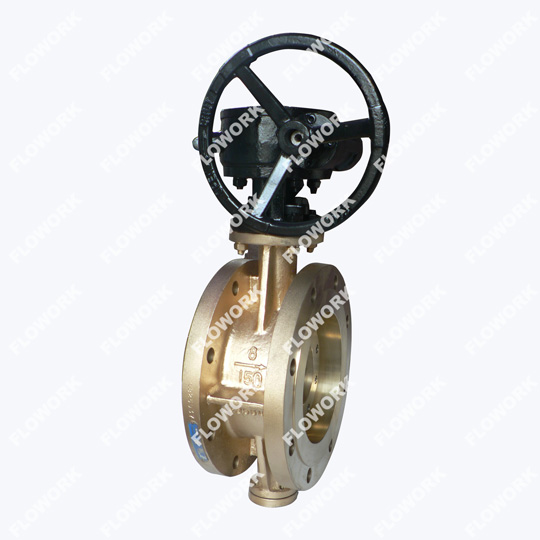
Flanged Type: This model has built-in matching flanges on both ends of the valve body. It is the heaviest and most robust choice, typically used for large-bore pipelines or high-pressure systems where a rock-solid, traditional connection is required.
| Connection Type | Installation Space | Bolt Configuration | Dead-End Service Support? | Best Used For |
| Wafer Type | Extremely Compact | Long bolts pass completely through both flanges and clamp the valve. | No. Removing downstream pipe causes the valve to fall out. | Compact skids, lightweight utility lines, and low-budget setups. |
| Lug Type | Medium / Compact | Separate short bolts screw directly into the threaded lugs from each side. | Yes. You can safely disconnect one side of the pipe for maintenance. | Pipelines requiring frequent downstream maintenance or system isolation. |
| Flanged Type | Large | Dedicated bolts connect the valve flanges to the pipe flanges on both ends. | Yes. Heavy-duty structural design ensures total pipeline independence. | Large-bore main lines, high-pressure systems, and severe service. |
Classification by Seal Material
NBR Seats: An excellent soft-seated choice for low-temperature utilities, water treatment, and standard oil lines. It provides a tight, bubble-tight shutoff but should not be used with aggressive chemicals.
PTFE Seats: If your business handles harsh chemicals, solvents, or higher temperatures, a PTFE-lined valve is crucial. It offers incredible chemical resistance and prevents the disc from sticking.
Metal Seats: Built for extreme severe service. When your pipeline runs hot steam, abrasive slurries, or high-pressure hydrocarbons where soft rubber or plastic would melt instantly, a hard metal-to-metal seat is mandatory.
For maritime pipelines handling corrosive seawater, a specialized bronze API 609 butterfly valve featuring high-strength metal seating ensures your operation achieves zero leakage without rusting away.
Classification by Operation Type
Gear Operated: Utilizes a manual handwheel and a gearbox. This mechanical advantage allows a human operator to easily crack open or shut large-bore valves against high fluid resistance.
Pneumatic / Motorized (Automated): If your factory relies on smart control rooms, the valve gets fitted with an air actuator or an electric motor. This lets your system open and close the valve automatically based on digital signals.
4 Advantages of API 609 Butterfly Valve
If your business wants to optimize its piping costs without sacrificing plant safety, these components offer massive operational advantages.
Incredible Space Savings: Their narrow width allows you to fit them into tight spaces on modular skids where bulkier valves simply will not fit.
Lower Procurement Costs: Because they use significantly less metal raw material than gate or ball valves, they are much cheaper to purchase, especially in large sizes above 8 inches.
Reduced Automation Expenses: Thanks to the smooth offset designs, the friction inside the valve is highly manageable. This means your business can use smaller, less expensive pneumatic or electric actuators to turn them automatically.
Minimal Maintenance Hurdles: With fewer moving parts inside the valve body, there are very few components that can wear out, reducing your plant downtime.
4 Applications of API 609 Butterfly Valve
Because these items are so versatile, you can spot them across a massive range of demanding global industries.
Marine and Shipbuilding: A specialized marine butterfly valve is crucial onboard ships. Built from corrosion-resistant bronze or nickel alloys, they manage ballast water systems, bilge pumps, and cargo fuel transfer lines smoothly.
Oil and Gas Pipelines: They act as reliable isolation barriers on midstream pipeline networks, managing crude oil and natural gas flow safely over long distances.
Power Generation Plants: Used extensively to regulate high-velocity cooling water flowing into massive thermal turbine condensers.
Chemical Processing Facilities: They handle aggressive chemicals, acids, and solvent blends without leaking into the environment.
How to Choose the Right API 609 Butterfly Valve
With so many options on the market, you must look at your specific system traits to make the right purchase call.
Analyze Your Fluid Media: For clean water or air, a basic concentric valve works beautifully. If your fluid carries grit, high temperatures, or corrosive chemicals, upgrade to a triple-offset design immediately.
Look at the Connection Style: A butterfly valve wafer type gear operated model is perfect if you want to clamp the valve between two existing pipe flanges to save space. If you need dead-end service where you can remove one side of the pipe, choose a lug-style or fully flanged body instead.
Evaluate Operating Torque: For small pipelines, a simple hand lever is fine. But for large bore lines or high-pressure systems, you need a gear operator (handwheel gearbox) to help your team turn the disc safely against the rushing fluid.
Verify Manufacturer Certifications: Always ask your supplier for their official API testing papers to ensure the valves truly meet the global design benchmarks.
FAQs
Can I use a wafer-type butterfly valve for dead-end pipeline service?
No, wafer types require clamping flanges on both sides. You must use a lug-type or flanged body for dead-end service.
Why do large butterfly valves require a gear operator instead of a lever?
Large discs face massive fluid resistance, creating high torque that requires a manual gearbox for safe, smooth operation.
What makes a marine butterfly valve different from a standard industrial valve?
Marine models use special corrosion-resistant alloys like nickel-aluminum bronze to survive continuous exposure to harsh, salty seawater.
Can an API 609 butterfly valve be used for continuous throttling?
Yes, its characteristic curve allows excellent flow regulation, provided you operate the disc within the recommended opening angles.
Conclusion
API 609 butterfly valves provide the ultimate balance of compact design, cost savings, and heavy-duty safety for modern industrial piping systems. Ready to elevate your project with certified, high-performance valves? Contact flowork specialist team today to get expert technical advice and a fast, custom quote for your business!