English
 Español

Fire Protection Gate Valve: What You Need to Know
If your business manages commercial buildings, industrial plants, or fire protection contracting work, you already know that a single valve failure can compromise an entire sprinkler system. A fire protection gate valve is not just another commodity fitting — it is the isolation point that lets you control water flow during testing, maintenance, and emergencies. Choosing the right one means understanding OS&Y versus non-rising stem designs, the fire-test standards that apply, and the material and pressure ratings that match your system.
In this guide, we will walk you through what a fire protection gate valve is, why fire sprinkler systems rely on OS&Y construction, and how to select the correct valve for your next fire fighting system.
What Is a Fire Protection Gate Valve?
A fire protection gate valve is a full-bore, on/off isolation valve installed in fire sprinkler, standpipe, hydrant, and building fire main systems. Unlike a globe or butterfly valve, a gate valve is designed to create minimal pressure drop when fully open. It is not intended for throttling; it is intended to sit in the fully open position for months or years, then close quickly when required.
Because fire systems are life-safety systems, these valves must meet stricter material, testing, and documentation requirements than a standard industrial gate valve. You will typically see them installed on the system side of fire pumps, at floor-control risers, on zone isolation branches, and at connections to municipal or private water supplies. Depending on the application, they may be OS&Y, non-rising stem (NRS), or mounted on an indicator post that shows status from a distance.
Why Fire Sprinkler Systems Rely on OS&Y Gate Valves
What Does OS&Y Mean?
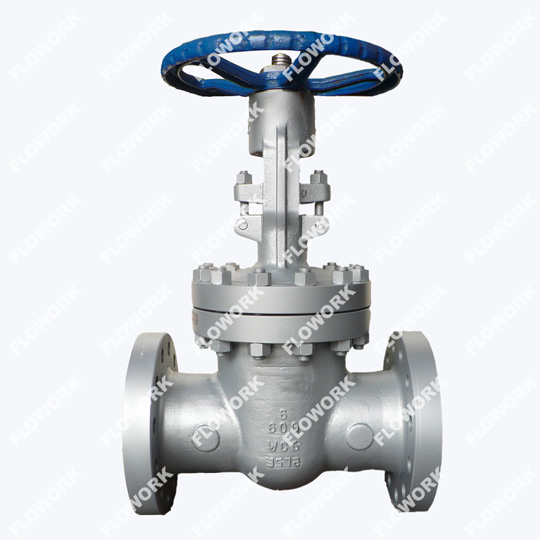
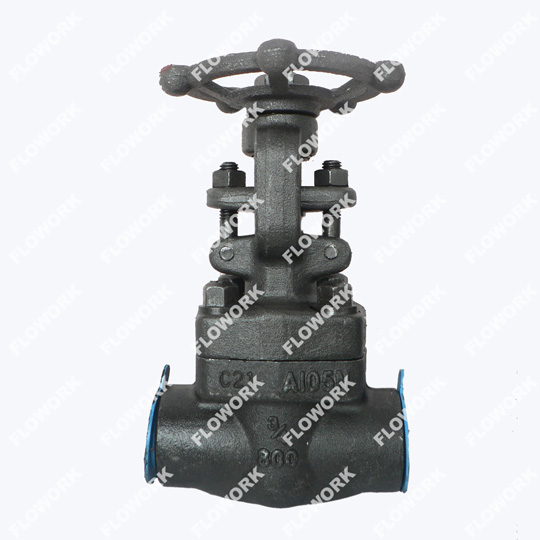
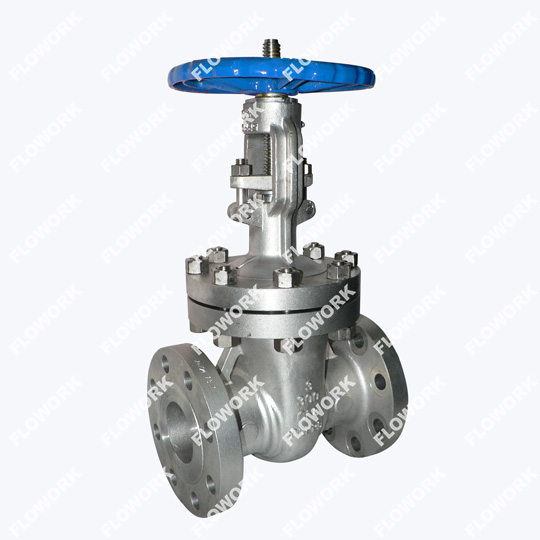
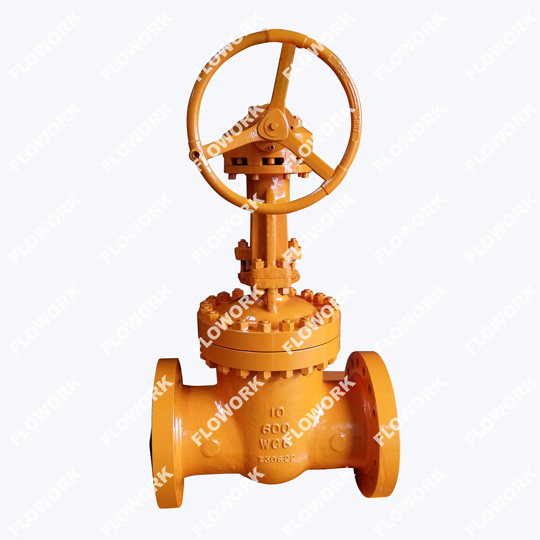
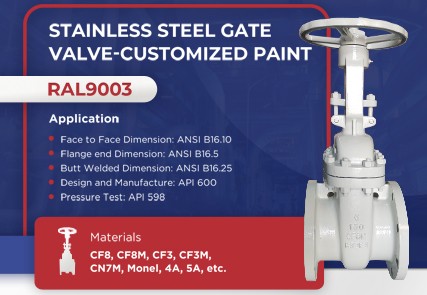
OS&Y stands for Outside Screw and Yoke. In this design, the threaded portion of the valve stem is located outside the pressure boundary of the valve body. The handwheel turns a yoke nut, and the stem rises or falls as the valve opens or closes. This visible movement is the key feature that makes OS&Y gate valves popular for fire service.
Because the stem threads are outside the waterway, they are less exposed to corrosion and sediment buildup inside the pipe. For your business, that translates into more reliable operation during the infrequent but critical moments when the valve must close or reopen.
Fire protection piping is only as reliable as the valves that isolate and control it. When your facility undergoes inspection, renovation, or an actual emergency, inspectors and firefighters need to know instantly whether a valve is open or closed. That visibility is the main reason fire codes and engineering specifications often require an OS&Y — outside screw and yoke — gate valve instead of a standard industrial gate valve.
How a Fire Sprinkler OS&Y Valve Indicates Open/Closed Position

With an OS&Y gate valve, you do not need to guess whether the valve is open or closed. When the stem is extended above the handwheel, the gate is lifted and water can flow. When the stem is flush with or below the handwheel, the gate is seated and flow is blocked. This visual cue is so reliable that many fire codes accept it as the primary method of verifying valve position.
For valves installed below grade or behind walls, the same principle is transferred to an indicator post or wall post. A post indicator valve (PIV) uses a target or window that reads OPEN or SHUT, while an OS&Y valve above grade lets your maintenance team verify status at a glance during routine rounds.
OS&Y vs Non-Rising Stem Gate Valves for Fire Service
Non-rising stem (NRS) gate valves keep the threaded stem inside the valve body. The handwheel spins but does not move vertically, which saves headroom in tight mechanical rooms or buried applications. However, you cannot see the valve position just by looking at the stem. You need a position indicator or you must count wheel turns.
For most above-ground fire protection installations, OS&Y is preferred because the open/closed state is obvious. NRS designs are more common in waterworks and underground services where vertical space is limited and indicator posts are used. When you specify a fire sprinkler gate valve, always confirm whether the authority having jurisdiction (AHJ) requires OS&Y construction.
Key Standards and Certifications for Fire Protection Gate Valve
Fire safety valves are governed by standards that prove they can withstand extreme heat, pressure, and thermal shock without catastrophic failure.
API 6FA-2018
API 6FA is the specification for fire testing of valves used in petroleum and petrochemical industries. It subjects a valve to a controlled furnace fire, then evaluates external leakage, internal leakage, and operational capability during and after the test. A gate valve that meets API 6FA demonstrates that it can maintain pressure containment when exposed to fire, which is why many fire protection specifications for hydrocarbon facilities and critical infrastructure reference this standard.
API 607
API 607 focuses on fire testing for quarter-turn valves such as ball, butterfly, and plug valves with soft seats. While it is not written specifically for gate valves, your engineering team may still see it referenced in the same procurement package because a fire protection system often contains a mix of gate, ball, check, and butterfly valves. The key takeaway is to match the standard to the valve type: API 6FA for gate and multi-turn valves, API 607 for quarter-turn soft-seated valves.
ISO 10497
ISO 10497 is the international standard for fire type-testing requirements for valves. It defines test methods, acceptance criteria, and documentation similar in intent to API 6FA. If your project follows an ISO-based specification or if you are exporting equipment to regions outside North America, ISO 10497 certification is often the compliance document your customer will request.
Not sure which fire-test standard your project needs?
Share your specification with us and we will confirm the exact certificates and test reports your AHJ or client requires.
Gate Valve for Fire Fighting System vs Standard Industrial Gate Valve
On the surface, a gate valve looks like a gate valve. But a gate valve for fire fighting system duty carries design, material, and application requirements that set it apart from a general-service industrial model. Understanding these differences will help your business avoid compliance rejections, warranty disputes, and rework.
Design Differences
Fire protection gate valves are usually OS&Y for visible position indication, while standard industrial gate valves may be OS&Y or NRS depending on the service. Fire service valves often have flanged ends sized to ANSI standards, a handwheel or operating nut, and a body shape that allows mounting on an indicator post. The bonnet and stem packing are also selected for long-term static service with minimal maintenance.
Material and Pressure Rating Differences
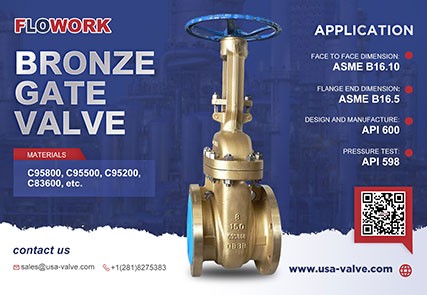
Ductile iron conforming to ASTM A536 is the most common body material for fire protection gate valves because it combines strength, ductility, and cost efficiency. Bronze or brass trim is used where corrosion resistance is critical, and bronze gate valves are still specified for certain marine, legacy, and coastal applications. Pressure classes typically range from 150LB to 300LB, matching the flange ratings found in commercial and industrial fire mains.
Application Differences
A standard industrial gate valve is designed for process control, where it may cycle more frequently and be exposed to chemicals, steam, or abrasive media. A fire protection gate valve is expected to remain open for long periods, then operate instantly during an emergency. That difference drives the emphasis on visible indication, fire-safe construction, and compatibility with supervisory switches.
Comparison Table
| Feature | Fire Protection Gate Valve | Standard Industrial Gate Valve |
|---|---|---|
| Primary function | Isolate fire sprinkler, standpipe, hydrant, and fire main systems | Isolate process pipelines and general service lines |
| Common stem type | OS&Y for visual open/closed indication | OS&Y or NRS depending on service |
| Fire-test standards | API 6FA, ISO 10497, UL/FM where required | General pressure/temperature ratings |
| Typical body material | Ductile iron ASTM A536 | Carbon steel, stainless steel, cast iron |
| Pressure class | 150LB / 300LB ANSI common | 150LB to 2500LB or PN ratings |
| Supervisory compatibility | Often compatible with tamper switches and indicator posts | Not normally required |
Where Fire Protection Gate Valves Are Used
Fire Sprinkler Systems
In a wet or dry pipe sprinkler system, gate valves isolate the water supply from the riser, control valves from individual zones, and test lines from drain assemblies. Your installer will usually place a gate valve upstream of the alarm check valve, at each floor control valve assembly, and at any branch that must be shut down without disabling the entire building.
 Standpipe and Hydrant Systems
Standpipe systems deliver water to hose connections on multiple floors of a building. Gate valves are used at the base of the standpipe, at each hose connection branch, and at the fire department connection (FDC). In hydrant systems, they may isolate individual hydrants or sections of underground piping so maintenance can be performed without draining the entire network.
Commercial and Industrial Building Fire Mains
Large campuses, refineries, power plants, and manufacturing facilities rely on private fire mains sized to deliver high flow rates. A fire safety valve on these mains must handle the system working pressure, surge pressure, and the water hammer that can occur when a pump starts or a valve closes quickly. OS&Y gate valves with ductile iron bodies and resilient or metal seats are the typical choice.

How to Choose the Right Gate Valve for Your Fire Protection System
Confirm Certifications Before You Order
Before you add a valve to your bill of materials, confirm which certifications the specification or local code requires. Common requirements include API 6FA, ISO 10497, UL listing, or FM approval. Ask your supplier for current test reports and material certificates.
Match Size and Pressure Class to Your System Design
The valve size must match the adjacent pipe diameter and the hydraulic design of the system. Specifying a valve that is too small creates excessive pressure drop; specifying one that is too large adds cost and may require reducers that create turbulence. Pressure class must equal or exceed the maximum working pressure, including any pump churn pressure or elevation head. Common choices are ANSI Class 150 and Class 300, but always cross-check with the piping specification.
Check Indicator Post and Supervisory Switch Compatibility
If your design calls for a post indicator valve, confirm that the gate valve body has the proper mounting pad and dimensions for the indicator post. For supervised systems, verify that the valve accepts a tamper switch that will signal the fire alarm control panel if the valve is turned. These details are easy to overlook during procurement, but they are exactly what inspectors check during commissioning.
Get the right gate valve the first time
Send FLOWORK your pipe size, pressure class, end connection, and required certifications. We will recommend a gate valve configuration that matches your fire protection system.
FAQs
What is the difference between an OS&Y and an NRS gate valve for fire protection?
An OS&Y gate valve has a stem that rises above the handwheel when the valve opens, giving a clear visual indication of position. An NRS gate valve keeps the stem inside the body, so position must be determined by an indicator, switch, or wheel-turn count. Fire codes generally prefer OS&Y for above-ground fire service because the open/closed state is obvious at a glance.
Do fire protection gate valves require UL or FM approval?
It depends on the project specification and the authority having jurisdiction. Many North American fire sprinkler specifications require UL-listed or FM-approved valves. International projects may rely on API 6FA, ISO 10497, or CE marking. Always confirm the required approvals before procurement.
Can I use a standard industrial gate valve in a fire sprinkler system?
No. A standard industrial gate valve is not designed for the visual indication, fire-safe construction, and supervisory compatibility that fire codes expect. Using the wrong valve can result in failed inspection, insurance issues, or compromised life safety.
What pressure class should I specify for a fire main gate valve?
Most commercial fire mains use ANSI Class 150 or Class 300 gate valves. The correct class must exceed the maximum system working pressure, including pump shut-off head and any surge pressure. Your fire protection engineer or hydraulic calculation report will specify the exact requirement.
What materials are best for fire protection gate valves?
Ductile iron is the most common body material for commercial and industrial fire protection because of its strength and affordability. Bronze or brass trim may be used for corrosion resistance, and stainless steel trim is available for aggressive water. Marine or coastal projects sometimes specify full bronze construction.
How do I know if a fire protection gate valve is open or closed?
If the valve is OS&Y, the stem will be raised above the handwheel when open and seated near the handwheel when closed. For NRS or buried valves, use an indicator post, a supervisory switch, or a position indicator mounted on the valve. Never assume a valve position without verifying it.
What size gate valve do I need for a standpipe or hydrant system?
Size the gate valve to match the connected piping per the hydraulic design. Standpipe system valves are commonly 4, 6, or 8 inches depending on building height and flow demand. Hydrant isolation valves usually match the hydrant branch size. When in doubt, follow the approved piping and instrumentation diagram.
Do fire protection gate valves need supervisory switches?
Many modern fire protection systems require supervisory switches on valves that could shut off water to a sprinkler system. The switch sends a signal to the fire alarm panel if the valve is operated. If your specification requires supervision, order the valve with the correct switch mounting hardware.
Conclusion
A fire protection gate valve is one of the simplest yet most critical components in a building fire protection system. By choosing an OS&Y design, confirming the right API or ISO fire-test certifications, and matching size and pressure class to your hydraulic design, your business can avoid costly rework and keep your facility compliant.
Whether you are sourcing valves for a new high-rise, an industrial campus, or a retrofit project, the key is to specify early and procure from a manufacturer that understands both industrial valve standards and fire protection requirements.
Ready to specify your fire protection valves?
Browse FLOWORK gate valve solutions and request a tailored quote for your fire protection, standpipe, or fire main project.