English
 Español


The Complete Guide to Check Valves: Standards, Installation & Working Basics
Introduction
A check valve is an automatic one-way valve designed to prevent backflow of liquid and protect pumps, boilers, and piping systems. To properly understand the function of a check valve, it's essential first to identify its key characteristics—namely, preventing leaks caused by backflow and avoiding physical damage. This valve reduces the risk of hydraulic shock by regulating circuit pressure. Check valves specifically designed for boilers are crucial components in water supply systems. Many new customers place great importance on the appearance of check valves before selecting the appropriate model.
This guide covers its working principle, industry standards, different types, selection criteria, as well as installation and maintenance recommendations. According to current standards, FLOWORK offers a wide range of models, known for their high stability, long service life, and reliable performance.
What Is a Check Valve & Its Core Purpose?

If you are still unclear about the function of the check valve, please refer to the following detailed explanation. A check valve is a device that enables water to flow automatically in a specific direction. When the water flow is reversed, it can automatically open or close to prevent backflow. Unlike manual valves, the check valve does not require complex mechanical devices or boilers. Instead, it can automatically open or close according to the flow and pressure conditions. Such valves are particularly important because they can effectively prevent water backflow, avoiding damage to the pump, leakage, wastewater pollution, or a drop in system pressure.
In the heating system, the check valve must ensure reliable operation by effectively controlling the water or steam flow to maintain the stability of the system. If water backflow occurs in the heating system, it may cause serious failures and result in high costs. Moreover, many customers highly value the external design of the check valve pipe, and its structure varies depending on the model. When the fluid flows in the opposite direction, the connecting pipe will automatically close, providing stable and reliable protection for the entire system.
Structure and Working Principle
The working principle of check valves is very simple. These valves are equipped with a movable closing mechanism, such as a disc, a ball, or a vibrating plate. When the liquid flows in the correct direction, this component usually remains open. However, when subjected to gravitational force, elastic pressure, or backflow, this component will immediately close. When the liquid flows in the expected direction, the pressure increases, pushing the mechanism downward, thereby blocking the flow of the fluid. Once the fluid stops flowing or there is backflow, the component will automatically return to its initial position and fully close to prevent the backflow of the fluid.
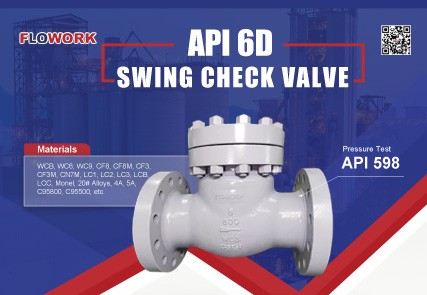
Common types of check valves include swing check valves using hinged discs, lift check valves using guide discs, ball check valves using balls, and compact double-plate membrane check valves designed for flange installation. When people ask what does a check valve look like, swing check valves usually have a visible hinged disc inside the body, while wafer check valves are thin and fit tightly between two flanges. The seat material and spring, where fitted, determine the sealing performance and the minimum pressure needed to open check valves. This self-actuating, low-maintenance design makes check valves an economical and dependable component in any piping system, including the critical check valve for boiler circuits.
Industry Standards for Check Valves
General Design & Pressure Test Standards
To ensure safety, reliability and interchangeability, check valves should comply with recognized industry standards. Common general standards include ASME B16.34, which defines the design and pressure-temperature ratings for check valves; API 598, which specifies inspection and testing requirements such as shell and seat hydrostatic tests; and MSS SP-71, which covers check valves for general service. If you are researching what is purpose of check valve in standard specifications, codes set strict leakage limits so check valves can reliably block backflow. Compliance with these standards confirms that check valves meet the required pressure rating, seat leakage limits and material quality, giving you confidence in their performance before installation.
Material and Pressure Rating Standards
The material and pressure rating of check valves must match the working medium and operating conditions. Materials are governed by standards such as ASTM A216 for carbon steel, ASTM A351 for stainless steel, and ASTM B62 or B148 for bronze, while pressure-temperature ratings follow ASME B16.34. A proper check valve for boiler often uses forged steel to resist heat and pressure.
Always verify that the check valve body, disc, seat and spring materials are compatible with the fluid, temperature and pressure in your line. Selecting check valves outside their rated envelope is a leading cause of leakage, premature wear and failure. Check valves are used to operate continuously in harsh environments, so material compatibility cannot be overlooked.
Special Standards for Boiler Check Valves
The check valves used in the boiler are extremely sensitive to the high pressure of steam and the low pressure of fuel, and any malfunction could potentially pose risks. These valves are usually manufactured in accordance with ASME Part 1 or Part 8 standards and must withstand high temperatures and sudden pressure changes, as well as tolerate corrosive substances present in the steam. During the design process, stricter pressure test standards must be met. Generally, they are made of rolled or cast steel materials, with a sturdy and reliable structure, ensuring continuous and stable sealing performance even under extreme steam conditions. When selecting check valves for the boiler, it is necessary to strictly adhere to the specifications, pressure ratings, and temperature ranges specified by ASME, thereby ensuring the safety and long-term reliability of their use. If you ask what is purpose of check valve in boiler systems, the answer is to stop backflow from damaging boiler pumps and internal components.
Main Types & Typical Applications
Common Check Valve Types
There are several types of check valves, each of which is suitable for specific working conditions. The swing check valve is suitable for large-diameter pipelines or pure liquids with low flow rates. The lift check valve uses a guide plate structure and is very suitable for use in environments with limited space and requiring high pressure and high-speed flow. The spherical check valve is suitable for handling liquids containing solids or hard particles. The plate (double plate) check valve has a compact design and is lightweight, and is widely used in connection systems with space and weight constraints. The appropriate type should be selected based on environmental conditions, pressure, flow rate, and installation restrictions. Many users wondering what does a check valve look like can reference this classification: swing check valves have a bulky cast body, wafer check valves are slim and disc-shaped.
The table below compares the main check valve types to help you select the right one.
| Check Valve Type | Closing Element | Best Suited For | Typical Application |
| Swing Check Valve | Hinged disc | Large-diameter lines, clean media, low flow velocity | Water supply, boiler feedwater, general industrial lines |
| Lift Check Valve | Guided disc | High-pressure, high-velocity service, limited space | High-pressure steam, process lines |
| Ball Check Valve | Ball | Viscous or solids-laden fluids | Slurry, sewage, viscous media |
| Wafer (Dual-plate) Check Valve | Dual plates | Compact flanged systems, low weight | HVAC, water treatment, industrial flanged pipelines |
Boiler, Plumbing and Industrial Applications
Check valves are widely used in boiler water supply systems, drinking water and drainage networks, as well as industrial pipelines. In heating systems, these valves are installed on supply pipes, condensate pipes and drainage pipes to prevent the backflow of environmental pollutants, thereby protecting the pump chamber and the boiler itself. In water supply and drainage systems, they are installed on water pipes, ventilation pipes and drainage pipes to effectively prevent pollution and air leakage. In industrial environments, check valves serve as an effective means to protect braking devices, water pumps and technical pipelines from damage caused by the backflow of liquids such as water, steam, oil and chemicals. Due to their ability to achieve automatic functions without manual operation, they are almost applicable to all technical pipelines. With their automatic operation function, no maintenance required and reliable protection efficiency, check valves have become an indispensable key component in these applications.
Key Selection Guide
Selecting the right check valve requires careful consideration of several factors.
First, define the working medium, pressure, temperature and flow rate of your system, and match the check valve material and pressure rating accordingly. If you need a check valve for boiler, prioritize high-temperature rated steel construction.
Second, choose the valve type based on the flow characteristics and installation space — for example, a swing check valve for low-velocity clean media, a ball check valve for viscous fluids, or a wafer check valve for compact flanged systems. If you want to know what does a check valve look like before ordering, ask suppliers for dimension drawings and internal structure photos. Third, consider the closing behavior and the potential for water hammer, since a fast-closing check valve may cause pressure surges in some systems.
Fourth, verify compliance with applicable standards and confirm the end connections match your pipeline. If you still want to recap what is purpose of check valve before purchase: prevent reverse fluid flow. FLOWORK provides professional selection guidance to help you choose the check valve that best fits your application.
Check Valve Installation, Maintenance & Troubleshooting
Pre-installation Preparation & Compliance Check
Before installing check valves, carry out a thorough pre-installation check. Verify that the valve size, pressure rating and material match the order and pipeline specification, especially when sourcing a check valve for boiler. Inspect the body, disc or ball, seat and spring for transport damage or debris, and confirm the pipeline is clean and free of weld slag, scale or particles that could damage the seating surfaces. Also confirm the check valve flow direction matches the arrow marked on the body, and verify compliance with the relevant standards for your application. Check valves are used to seal tightly, so even tiny debris can ruin sealing performance.
Standard Installation Procedures
Install check valves correctly to ensure reliable one-way operation. Confirm the flow direction arrow points in the direction of the intended flow before assembly. Align the pipe threads or flanges squarely and never force check valves into position. For threaded connections, apply suitable sealant and tighten to the correct torque; for flanged connections, use the proper gasket and tighten bolts in a criss-cross pattern for even pressure. Install the check valve in a position that allows proper operation — a swing check valve generally works best in a horizontal line with the disc hinge uppermost. Leave enough clearance for maintenance and inspection. If you search what does a check valve look like online, you will always find this flow arrow marked clearly on the valve exterior.
Common Installation Mistakes to Avoid
Avoid common mistakes that impair check valves. Installing check valves backwards is the most frequent error, causing the valve to block flow rather than prevent backflow; always check the flow direction arrow. Do not install a swing check valve in a vertical line where the disc may not seat reliably unless the design permits it; avoid installing check valves without cleaning the line, as debris can damage the seat; do not exceed the valve pressure or temperature rating; and do not force check valves into misaligned flanges. This warning is extra important when fitting a check valve for boiler, where failure carries high risk. Following these precautions ensures check valves operate correctly and last longer.
Post-installation Pressure Test & Inspection
After installation, pressure-test check valves to confirm they are leak-free and functions correctly. Slowly pressurize the line to the rated test pressure while watching for pressure drops, inspect all connections and the valve body for external leakage, and verify that check valves open with forward flow and seal tightly against reverse flow. Cycle check valves several times to confirm smooth operation, then record the test results for future reference and maintenance tracking. When testing a check valve for boiler, the test pressure must follow boiler code requirements strictly.

Conclusion
Check valves are indispensable passive pipeline components. Once again, what is purpose of check valve? To block reverse fluid flow and protect upstream and downstream equipment. Check valves are used widely across plumbing, general industry and boiler rooms, and a properly rated check valve for boiler is essential for safe boiler operation. If you are new to this product and curious what does a check valve look like, remember different types of check valves have distinct shapes for different working scenarios. Understanding the core purpose, working principle, applicable standards, main types and selection criteria — and following proper installation and maintenance procedures — is the key to long-term, reliable performance of check valves. FLOWORK offers a complete range of high-quality check valves. Contact our team today to select the right check valve for your project.
FAQs
What is purpose of check valve?
A check valve is used to allow fluid to flow in one direction and prevent reverse flow, protecting pumps, compressors and boilers from damage caused by backflow.
Check valves are used to do what?
Check valves are used to automatically stop fluid backflow. Check valves are used to protect expensive equipment, stabilize pipeline pressure and reduce the risk of water hammer.
Do I need a dedicated check valve for boiler?
Yes, a standard check valve may not withstand boiler conditions. A qualified check valve for boiler is built for high temperature, high pressure feedwater and condensate lines.
What does a check valve look like?
It depends on the type. Swing check valves have a cast body with a hinged disc inside; wafer check valves are thin, compact plates installed between flanges.
What is the difference between a swing check valve and a lift check valve?
A swing check valve uses a hinged disc and suits large-diameter, low-velocity lines, while a lift check valve uses a guided disc and is better for high-pressure, high-velocity service. Both belong to common check valves.
Why is my check valve leaking or not sealing?
Leakage or poor sealing is usually caused by debris on the seat, a worn disc or seat, incorrect installation direction, or a faulty spring; inspect and clean or replace the affected parts. This issue happens easily if check valves are not protected from pipeline dirt.