English
 Español

What Is the Use of Throttle Valve
Introduction
Moving fluid or gas through a pipeline is only half the battle. If you cannot control its speed and pressure, your system will quickly face catastrophic failure. A throttling valve is the precision instrument engineered to solve this exact problem. Let us look at what these devices do, how they work, and their critical roles across global industries.
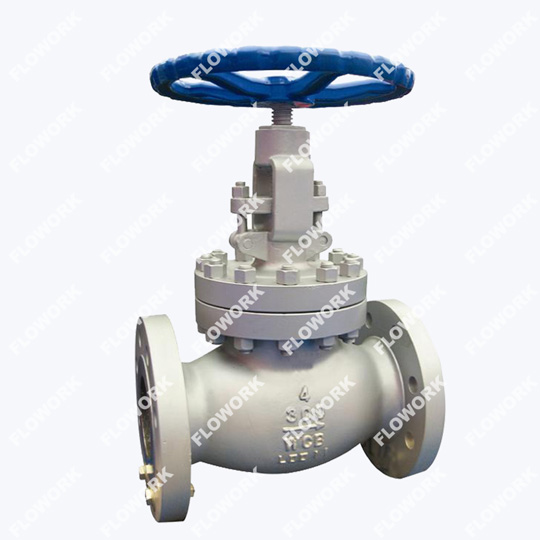
What Is a Throttle Valve and How Does It Work
If you need a straightforward definition, the primary throttle valve function is to deliberately restrict fluid flow to control speed or drop pressure. Unlike standard on/off isolation valves that stay fully open or fully closed, a throttling device lives in the middle. It safely operates at precise, partial openings for years without washing out.
The mechanical principle under the hood relies on variable restriction:
Changing the Flow Path: As you turn the valve handle or actuate the stem, the internal plug, needle, or disc moves into the fluid highway.
Creating a Bottleneck: This movement narrows the available space, forcing the fluid to squeeze through a much smaller opening.
Managing the Pressure Drop: Squeezing the fluid changes its velocity and drops the pressure on the downstream side. By adjusting this internal restriction, your operators can dial in the exact flow rate your process requires.
What Is the Use of Throttle Valve? An Overview
Broadly speaking, a throttling valve is used whenever a system demands steady, non-shock regulation rather than a sudden stop.
You will spot them acting as the mechanical brains in four primary industrial areas:
Fluid Power Control: They regulate how fast pistons and hydraulic arms push or pull heavy machinery.
Pneumatic Automation: They manage compressed air to ensure factory assembly lines move smoothly without jerky stops.
Severe Service Energy Production: They choke down insane pressures coming straight out of deep oil wells.
Municipal Utility Networks: They balance water flow and prevent pipe networks from cracking under sudden pressure spikes.
Quick Reference: Throttling Valve Applications Across Industries
| Industry Application | Fluid Media Type | Major Operational Threat | Ideal Valve Types for Throttling | Key Engineering Focus |
| Hydraulic Systems | High-Pressure Mineral/Synthetic Oil | Excessive Heat Generation | Needle Valves, Flow Control Valves | Actuator Speed Control (Meter-in vs. Meter-out) |
| Pneumatic Systems | Highly Compressible Air/Gas | Jerky, Unstable Cylinder Movements | Needle Valves with Silencers | Exhaust Metering (Creating a stable air cushion) |
| Oil Field Wellheads | Raw Crude, Corrosive Gas, Frac Sand | Severe Abrasive Sandblasting & Pressure Drop | Choke Valves (with Tungsten Carbide Trims) | Pressure Dropping (ΔP) from thousands of PSI to safe levels |
| Water Flow Networks | High-Velocity Industrial/Utility Water | Structural Metal Destruction via Cavitation | Globe Valves, V-Port Segmented Ball Valves | Sizing to Flow Rates (Avoiding over-sized valve hunting) |
How Does a Throttle Valve in Hydraulic System Setups Manage Fluid Power
In the world of heavy machinery, oil is power. A hydraulic throttle valve is the primary tool used to tame that power and dictate how your equipment moves.
If your facility relies on hydraulic systems, these valves manage fluid energy through specific engineering tactics:
Precise Actuator Speed Regulation: If a hydraulic cylinder slams open too quickly, it can drop a load or bend a structural frame. By plumbing a throttle valve into the line, you limit how many gallons of oil enter the cylinder per minute, ensuring a perfectly smooth, controlled extension.
The Inflow vs. Outflow Strategy: Engineers use these devices for meter-in setups (restricting oil entering the cylinder) or meter-out setups (restricting oil escaping the cylinder). Meter-out is incredibly popular because it acts like a steady brake, preventing runaway loads from falling due to gravity.
The Heat Generation Challenge: Your team must remember that blocking high-pressure oil converts kinetic energy directly into heat. A standard throttle valve in hydraulic system networks will raise oil temperatures if used constantly under heavy loads, requiring your system to run efficient cooling loops alongside them.
What is the Role of a Throttle Valve in Pneumatic System Applications
Switching from hydraulic oil to compressed air changes the engineering rules completely. Because air is highly compressible, managing a throttle valve in pneumatic system networks requires a completely different approach to keep your automation stable.
An air throttle valve handles the unique traits of compressed gas through these daily plant functions:
Eliminating Jerky Cylinder Movements: If you try to control a pneumatic cylinder by restricting the incoming air, the piston will stutter and jump because air compresses like a spring. To fix this, pneumatic systems utilize exhaust throttle valves. By bottling up the air leaving the cylinder, you create a stable air cushion that keeps the stroke perfectly smooth.
Setting Automated Assembly Lines Cycle Times: On a fast-paced packaging line, components must move with microsecond precision. Turning the needle screw on a compact air throttle valve lets you dial in the exact cycle speed for sorting arms, clamping jigs, and robotic pickers.
Protecting Delicate Tooling: Slipping a throttle valve into your tool supply line stops high-pressure air from hitting pneumatic motors with a violent hammer blow, extending the operational lifespan of your expensive automated hardware.
Why is an Oil Field Throttling Valve Built for Severe Service
Step away from clean factory air and look at an upstream drilling platform. An oil field throttling valve—often called a production choke valve—faces some of the most punishing and violent conditions on earth.
These severe-service units are built entirely differently than standard commercial hardware for three brutal reasons:
Slamming the Brakes on Extreme Well Pressure: When raw crude oil rushes up from miles underground, it can carry pressures reaching 5,000 to 10,000 PSI. The oilfield valve must drop that terrifying pressure down to safe, double-digit levels before the fluid enters storage tanks or separation equipment.
Surviving Abrasive Sandblasting: Raw crude oil is never clean. It is a messy soup of liquid hydrocarbons, highly corrosive sour gas, saltwater, and thousands of tiny, gritty sand particles. A standard valve would be completely eaten away within days. Oilfield throttling valves utilize solid tungsten carbide or ceramic internal trims to survive this continuous internal sandblasting.
Preventing Ice Formation and Hydrates: Dropping fluid pressure drastically causes a massive temperature drop inside the valve body. This freezing effect can cause water vapor to turn into icy hydrates that plug the pipe. Heavy-duty oilfield chokes are engineered to sweep these ice crystals away before they can freeze the mechanism in place.
How to Select the Best Valve for Throttling Water Flow Safely
Controlling a clean water line sounds simple, but water is incredibly heavy and unforgiving. If your business buys a generic valve for throttling water flow, you will likely destroy your seats and wake up to a massive piping leak.
To select the right water throttling hardware, your project team must evaluate these core fluid traits:
The Threat of Cavitation Noise and Destruction: When water squeezes through a tight valve restriction, its velocity spikes and its pressure drops below the vapor point, creating tiny bubbles. As the water exits the restriction, those bubbles violently implode. This process, called cavitation, sounds like a loud hiss or a pipe full of gravel, and it will literally punch physical holes through solid steel walls.
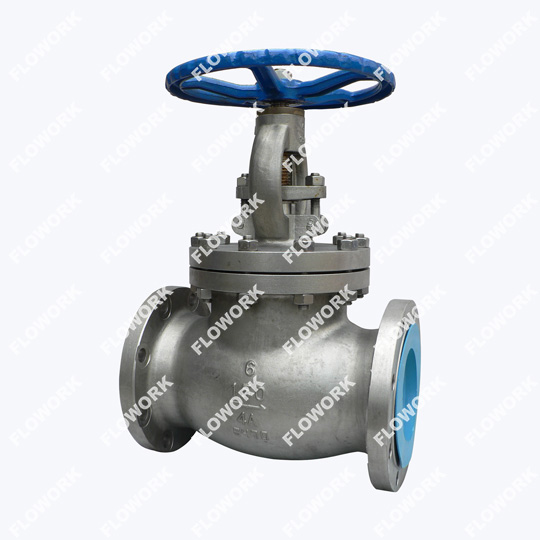
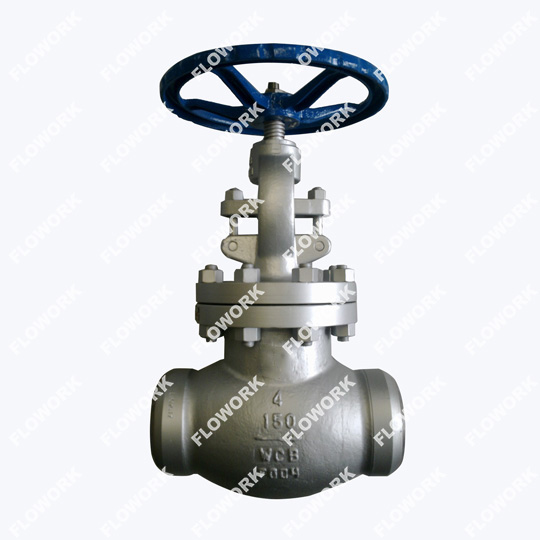
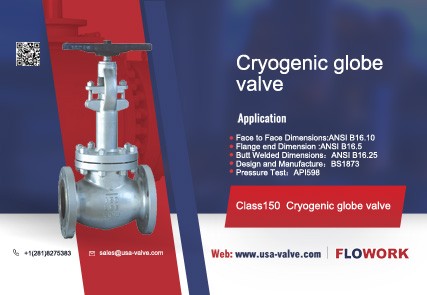
Pick a Globe Valve for Precision Linearity: A heavy-duty globe valve is the gold standard because its plug moves directly down against the flow, offering a predictable, highly controllable flow curve. If you want to understand the exact mechanics behind this design, explore why globe valves are a top choice for precise flow regulation in industrial systems to secure your fluid line.
Size the Valve for the Flow, Not the Pipe: A classic rookie mistake is buying an 8-inch throttling valve just because your pipe is 8 inches. If the valve is too large, your operators will have to keep it cracked open at a tiny 5% crack. This tight gap creates intense fluid velocity that rapidly erodes the metal. Always size your throttling trim based on your actual minimum and maximum gallons per minute.
FAQs
Can I use a standard gate valve for everyday flow throttling?
No. Gate valves cause heavy vibration and rapid seat erosion if left partially open; they are strictly for on/off isolation.
Why does a valve for throttling water flow make a loud hissing noise?
That noise is cavitation, caused by rapid pressure drops that create vapor bubbles which violently collapse against the metal walls.
What is the main difference between meter-in and meter-out throttling?
Meter-in controls fluid entering an actuator, while meter-out restricts fluid leaving it, providing much stabler control against runaway loads.
Why do oilfield throttling valves use tungsten carbide internal parts?
Tungsten carbide resists the extreme sand erosion and high-pressure blasting present in raw, unrefined crude oil streams.
Do pneumatic throttle valves need lubrication?
Most modern air throttle valves feature self-lubricating seals, but running clean, lightly lubricated air extends their sealing life.
Conclusion
From regulating delicate automated air lines to taming high-pressure oil wells, throttling valves keep our industrial world under perfect control. Choosing the right design for your specific fluid medium prevents catastrophic damage and optimizes your daily plant efficiency. Ready to elevate your system safety? Contact FLOWORK engineering team today for expert technical advice and a fast quote!