English
 Español

Industrial Plug Valves: Working Principles & Design
Introduction
High-pressure pipelines and gritty slurry systems put immense stress on isolation hardware. If your facility deals with thick mud, aggressive chemicals, or volatile fuels, standard valves often leak or jam. That is where a plug valve becomes essential. Let us explore how these quarter-turn components function and why they offer reliable plug valve secure flow control solutions for your operations.
What Is a Plug Valve
Plug valve is a heavy-duty quarter-turn isolation valve that utilizes a tapered or cylindrical internal plug with a hollow center port to start, stop, or divert fluid flow through a pipeline network.
The Core Design Concept
At its structural heart, this equipment features a robust body containing a rotatable plug. Instead of a round ball or a flat wedge, it relies on a solid plug shaped like a truncated cone or cylinder. A rectangular or round hole cuts clean through the center of this plug, allowing media to pass when properly aligned.
Eliminating Internal Pockets
Unlike standard floating ball designs, the outer surface of the plug maintains continuous contact with the valve body walls. Because there are no empty internal cavities or deep body pockets around the seating zone, debris cannot settle inside to jam the mechanism. Every time the valve cycles, the solid face mechanically pushes aside any sticky media clinging to the interior walls.
The Evolution of Pipeline Sealing
This specific hardware represents one of the oldest and most dependable methods for controlling fluids. Over decades of field service, it has evolved from a basic crude bronze cock into a highly sophisticated asset built from exotic superalloys capable of holding back extreme pressures in refinery tank farms.
How Does Plug Valve Design Secure System Flow
A reliable plug valve secure flow control solutions design protects processing plants by utilizing an expanded surface-to-surface sealing contact area that completely shields the interior seats from direct exposure to erosive or high-velocity fluid streams.
Conical Tapered Shape Geometry
The defining trait of this valve is its tapered plug profile. The conical shape acts like a continuous wedge. When line vibration or high-velocity surges strike the pipeline, this thick wedge-like component absorbs the mechanical shocks without shifting or flexing, guaranteeing that the valve maintains its structural seal under heavy stress.
100% Full Port Alignment
Unrestricted Flow Path: When the valve is fully open, the hollow center port aligns perfectly with your pipe's inner diameter.
Zero Turbulent Eddy Currents: Because the fluid stream moves in a straight line without hitting internal lips or steps, the valve avoids creating the violent eddies that cause rapid seat wear.
Reduced Pressure Drop: Lower turbulence means minimal energy loss across your pump loops, keeping your utility bills under control.
Rugged Top-Entry Body Layout
The body architecture is poured as a solid, single-piece casing with a heavy removable top cap or bonnet. This layout ensures that there are no horizontal split seams or bottom joints that could break or leak toxic materials under extreme pipeline tension.
Working Principle of Plug Valve
The plug valve working principle relies on a basic 90-degree quarter-turn rotation. When the hollow plug port aligns with the pipe axis, flow passes straight through; turning the stem 90 degrees faces the solid metal plug wall against the fluid stream to block it.
The 90-Degree Quarter-Turn Flow Pathway
Operation is simple and fast. When an operator or automated actuator turns the valve stem, the internal plug spins on a vertical axis. In the open state, the hollow port faces the pipeline axis, creating a clear path. Turning the wrench exactly 90 degrees rotates the solid, un-drilled face of the plug to block the oncoming media.
Linear Flow Transitions
As the plug turns from open to closed, the flow area decreases in a highly predictable, linear manner. While these units are not ideal for precise long-term throttling, this smooth transition helps prevent sudden hydraulic shock waves—often called water hammer—from rattling through your pipe hangers.
Low-Profile Mechanical Action
Because the plug remains nestled securely within the body casing during rotation, it does not rise or lower like a gate valve stem. This low-profile footprint makes it the perfect option for tight, space-restricted spaces inside offshore platforms, compact underground gas vaults, or densely packed refinery skids.
How Does the Plug Valve Working Principle Achieve Zero Leakage
The plug valve working principle achieves zero leakage by compressing a tapered plug downward into a matched body bore or protective sleeve, creating a tight mechanical interference seal that blocks all micro-leakage pathways.
Tapered Wedge Interference Seals
The tapered shape of the plug acts like a powerful mechanical wedge. As the bonnet bolts apply downward force, the plug is pressed firmly into the matching conical seat of the valve body. This downward compression forces the metal faces together, sealing off microscopic gaps that would allow fluids to weep.
Dynamic Lubrication Seal Barriers
In specialized lubricated plug valves, a technician pumps heavy-duty industrial sealant grease down through the stem into a network of micro-grooves etched along the plug face. This grease forms a continuous fluid barrier that blocks tiny high-pressure gas molecules from passing through, while preventing sticky metal-on-metal friction.
Soft Sleeve Compression Sealing
Non-lubricated variants utilize a thick, continuous polymer sleeve—usually made of high-durability PTFE—that completely wraps around the plug inside the body housing. As the plug turns, it slides smoothly against this slick, low-friction sleeve, compressing it tightly to achieve an instantaneous bubble-tight seal without any need for external grease injection.
Structural Characteristics of Plug Valve
Industrial applications require varied valve configurations to handle unique temperatures, pressures, and media types safely.
Lubricated Plug Valves for Critical Utilities
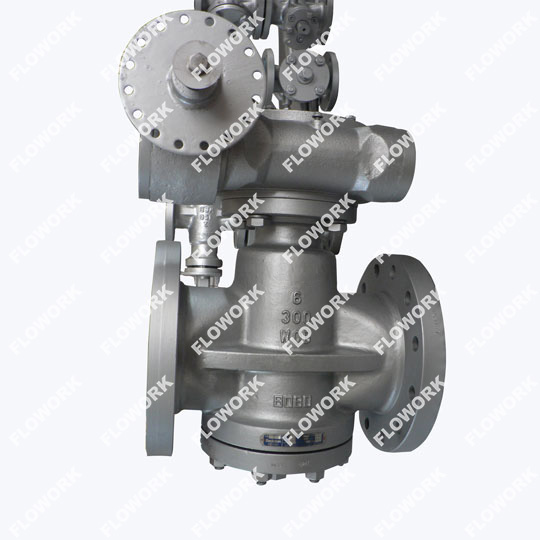
These heavy-duty models feature dedicated grease injection fittings at the top of the valve stem. Internal lubricant channels distribute high-pressure sealant across the seating faces. This configuration is widely used as a reliable natural gas plug valve because the fresh grease film repairs micro-scars automatically, ensuring long-term bubble-tight isolation in a high pressure plug valve loop.
Non-Lubricated Sleeved and Lined Variants
PTFE Sleeved Style: These maintenance-free units use a full plastic sleeve inside the metal body, eliminating the risk of process media contamination from grease washout.
PFA Fully Lined Style: For aggressive acids and corrosive chemical pickling lines, the entire interior iron shell and plug are molded with a thick layer of protective PFA plastic.
No Sealant Required: These models are perfect for paint factories, food processing lines, or pharmaceutical systems where grease would spoil the final product batch.
| Structural Sub-Type | Primary Sealing Mechanism | Media Suitability | Core Maintenance Requirement |
| Lubricated Plug Valve | Dynamic Sealant Barrier (High-pressure grease grooves) | Volatile hydrocarbons, crude oil, and natural gas plug valve loops | Periodic sealant injection to prevent metal galling. |
| Non-Lubricated (Sleeved) | Mechanical Interference (Continuous PTFE body sleeve) | Aggressive chemical processing, acid lines, and clean utilities | Maintenance-free (Replace polymer sleeve during overhauls). |
| Non-Lubricated (Lined) | Full Molded Armor (Thick PFA layer on body & plug) | Highly corrosive sulfuric/hydrochloric acids, plating lines | Zero lubrication; monitor liner integrity under vacuum. |
Multi-Port Diversion Configurations
Because the internal plug can accommodate complex custom drill patterns, these units can be built with three-way or four-way multi-port pathways. A single multi-port unit can replace two or three individual standard isolation valves, simplifying your complex piping layouts and reducing total equipment procurement costs.
FAQs
Can your business use a plug valve for continuous flow throttling or regulation?
No. They are designed for on-off isolation; partial opening causes high-velocity fluid erosion that quickly ruins the sealing plug faces.
What is the main difference between a ball valve and a plug valve?
A ball valve has a hollow internal cavity that traps debris, whereas a plug valve features a cavity-free interior body design.
Why do lubricated plug valves require specialized industrial grease injections?
The grease creates a high-pressure dynamic seal barrier against gas molecules and lowers operational friction to prevent internal metal galling.
What are the main benefits of non-lubricated sleeved plug valves?
They use a slick PTFE sleeve to achieve bubble-tight sealing without grease, eliminating any risk of process fluid batch contamination.
How does a top-entry valve construction simplify field maintenance chores?
It lets technicians remove the top bonnet and service all internal parts without cutting the valve housing out of the pipe.
What happens if a high-pressure gas line plug valve runs completely dry?
Operating torque requirements skyrocket, micro-leakage occurs across the seats, and internal metal faces risk permanent scratching and seizure.
Are multi-port plug valves effective at reducing factory layout footprint?
Yes. A single three-way or four-way multi-port configuration can easily replace multiple standard isolation units, streamlining your entire pipe system.
What materials are typically used for severe service chemical plug valves?
They are usually poured with thick carbon steel bodies lined with protective PFA or machined from corrosion-resistant Duplex stainless steel.
Conclusion
Deploying unreliable isolation hardware in high-pressure gas or messy slurry networks leads to catastrophic leaks and expensive plant downtime. Upgrading to robust plug valves protects your facility infrastructure from wear. Ready to secure your piping systems with durable, high-pressure equipment? Contact FLOWORK today for an expert consultation and a fast custom project quote!