English
 Español

Petrochemical Valve Selection Guide: How to Match Valve Type to Process Conditions
Petrochemical plants move some of the most aggressive fluids in industry—sour gas, hydrogen, acidic hydrocarbons, high-pressure steam, and cryogenic LNG. The valve you specify is the component your business relies on to isolate, throttle, and protect those streams every day of the turnaround cycle. In this guide, we walk you through how to match valve type to the actual process conditions in your unit, so you can avoid the leaks, corrosion, and unplanned shutdowns that quietly drive the real cost of ownership. You will learn which valve families fit which services, how to select materials for corrosive duty, which API and ISO standards your procurement team should require, and how to prevent the failures that shorten valve life. By the end, you will have a practical framework you can hand to your engineering team or use to brief a valve supplier.
 What is a petrochemical valve?
A petrochemical valve is any isolation, control, or non-return device built to API, ASME, and ISO specifications for continuous service in refineries, ethylene plants, and downstream chemical units. Unlike a general-purpose valve, a petrochemical valve is designed for flammable, toxic, or high-pressure media where a single seat leak can trigger a flaring event or an HSE incident. You will typically see these valves rated to API 600, API 602, API 608, API 6D, or API 609, with fire-safe testing to API 607 or API 6FA and fugitive-emission control to ISO 15848-1. When your process team talks about a "petrochemical valve," they mean a valve whose body, trim, seat, and stem packing are all qualified for the specific temperature, pressure, and corrosion profile of the line—not a commodity valve pulled from a catalog and hoped to fit.
This distinction matters because the failure mode of a petrochemical valve is rarely a dramatic rupture. Far more often, it is a slow creep of external leakage past the stem packing, or internal seat wear that lets a small stream of aggressive media bypass an isolation point during maintenance. Both are exactly the problems a purpose-rated petrochemical valve is engineered to prevent, and both are why a correct valve selection methodology—not price alone—should drive your specification.
Why is valve selection critical in petrochemical plants?
In a petrochemical unit, valve selection is a safety and reliability decision, not a line-item cost. Specifying the wrong valve type or material produces four measurable consequences for your business: (1) fugitive emissions that push you past ISO 15848 limits and create regulatory exposure; (2) corrosion or erosion that thins the wall and opens a rupture path; (3) operational downtime during a turnaround you did not plan for; and (4) a higher life-cycle cost from premature replacement. A correctly matched valve, by contrast, runs through multiple turnarounds with only stem-packing service. The table below maps common process conditions to the valve families that handle them best, which is the foundation of any sound petrochemical valve selection.
| Process condition | Recommended valve family | Why it fits |
|---|---|---|
| Clean hydrocarbon, on/off isolation, fire risk | Ball valve (API 6D) | Tight shutoff, fire-safe, low torque |
| High-pressure steam, boiler feed, full-bore isolation | Gate valve (API 600) | Unobstructed bore, proven at high temperature |
| Throttling, flow or level control | Globe valve | Controllable seat, precise modulation |
| Preventing backflow on pumps and compressors | Check valve (API 602 / 6D) | Automatic non-return, protects equipment |
| Large-bore, low-pressure cooling water or utility | Butterfly valve (API 609) | Light weight, compact, cost-effective |
| Abrasive slurry or frequent quick shutoff | Plug valve (API 6D) | Simple port, resists fouling |
What valve types are commonly used in petrochemical plants?
Petrochemical services draw on six core valve families. Matching them to duty is the practical heart of petrochemical valve selection, and each family earns its place by how it behaves under your specific pressure, temperature, and media profile.
Ball valves
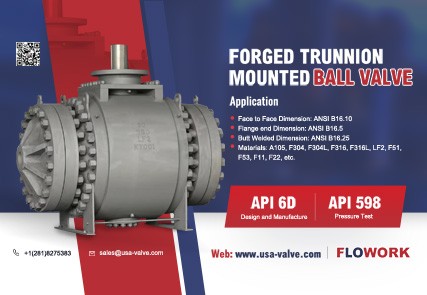
Ball valves are the workhorse for on/off isolation of flammable hydrocarbon streams because they give you bubble-tight shutoff and a fire-safe design in a compact body. In petrochemical duty you will choose between floating ball valves for smaller sizes and lower pressures and trunnion mounted ball valves for large diameters and high-pressure class. For a closer look at how these valves perform in upstream and midstream service, our guide to ball valves in oil and gas service breaks down the actuation and sealing choices that matter most.
Gate valves
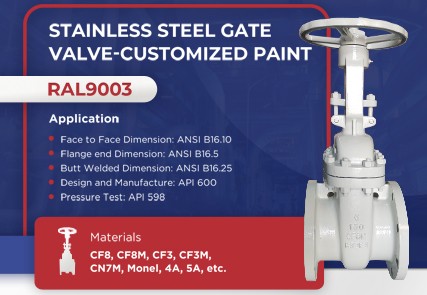
Gate valves remain the standard for high-pressure, high-temperature isolation where you need a completely unobstructed bore and minimal pressure drop when fully open. In refineries the dominant specification is the bolted-bonnet API 600 gate valve, used on crude units, FCC feed, and steam headers. They are isolation-only devices—never throttle—because partial travel erodes the wedge. If your unit runs sulfur recovery or catalytic cracking, our deep dive on gate valves in petrochemical service maps which services call for a wedge gate versus a parallel-slide design.
Globe, check, butterfly, and plug valves
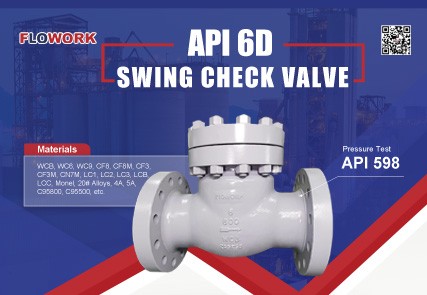
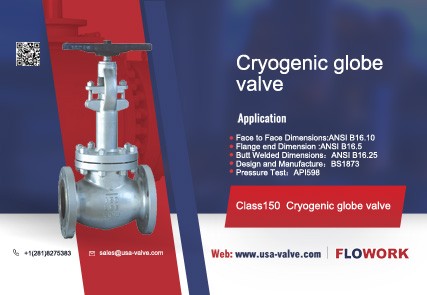
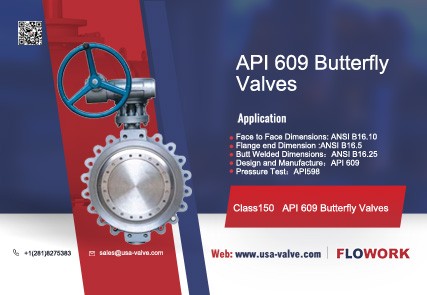
Globe valves handle throttling and control where you must modulate flow or hold a level; their higher pressure drop is the trade you accept for precise seating. Check valves are non-negotiable on pump and compressor discharges to stop reverse flow that can destroy equipment, and in petrochemical plants they are usually specified to API 602 or API 6D. Butterfly valves earn their place on large-bore, low-pressure utility and cooling-water lines where weight and cost dominate, while plug valves suit abrasive or fouling services that would quickly wear a softer seat. If you are standardizing backflow protection across a unit, our check valve selection methods article gives you a step-by-step screening approach.
| Need a valve matched to your line conditions? Send FLOWORK your media, temperature, pressure, and bore, and our engineering team will recommend the right API-rated valve family and material for your unit. |
How to choose materials for corrosive petrochemical service
Corrosion is the leading cause of petrochemical valve failure, and the material you pick is as important as the valve type. Your selection starts from the corrosive species in the line: H2S, CO2, chlorides, organic acids, and free water each attack different alloys. A metal-seated ball valve with hard-faced trim is the right answer where soft seats would be destroyed by abrasion or temperature, while stainless and duplex bodies resist general corrosion in sour service. For the full decision logic, our guide on valve material selection for your process walks through trim, body, and seat pairings by media. The table below is a starting point you can hand to your materials engineer.
| Body / trim material | Typical media it resists | Approx. service temperature |
|---|---|---|
| Carbon steel (WCB / A105) | Non-corrosive hydrocarbons, steam | -29 °C to 425 °C |
| Stainless 316 / CF8M | Mild acids, organics, moderate chlorides | -29 °C to 538 °C |
| Duplex / super-duplex | Chloride stress cracking, seawater | -40 °C to 300 °C |
| Alloy 20 / Hastelloy | Strong sulfuric / phosphoric acid | Up to 650 °C |
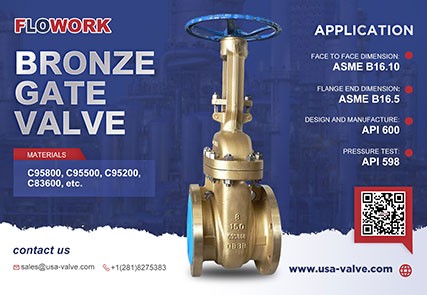
| Bronze (for utility only) | Non-sour water, low-pressure air | -20 °C to 200 °C |
For sour service you must also confirm compliance with NACE MR0175 / ISO 15156 so the material will not crack under H2S, and you should specify hard-faced trim (Stellite or equivalent) wherever erosion is expected. When you are unsure which alloy your stream demands, our article on how valves handle corrosive and abrasive media explains the failure mechanisms in plain terms.
What standards should petrochemical valves meet?
Standards are how your business proves a valve is fit for the unit, and your purchase specification should name them explicitly. The table below lists the standards most often required for petrochemical valve selection, and you should treat any supplier who cannot document conformance as a risk to your facility.
| Standard | Covers | Why your business needs it |
|---|---|---|
| API 600 | Bolted bonnet steel gate valves | Refinery-grade isolation, high temperature |
| API 602 | Compact forged steel valves | Small-bore, high-pressure instrument lines |
| API 608 / 6D | Ball valves (plant / pipeline) | Fire-safe, tight shutoff, traceability |
| API 609 | Butterfly valves | Large-bore utility and cooling water |
| API 607 / 6FA | Fire testing | Valve keeps sealing through a fire |
| ISO 15848-1 | Fugitive emission | Limits stem leakage, meets emissions rules |
| NACE MR0175 / ISO 15156 | Sour service materials | Prevents sulfide stress cracking |
How to prevent valve failures in petrochemical service
Even a well-selected valve fails early if it is mis-applied or poorly maintained, so prevention is the final pillar of petrochemical valve selection. The highest-impact steps are straightforward and worth writing into your site standard:
Control fugitive emissions at the stem. Specify live-loaded or low-emission packing qualified to ISO 15848-1, and set a stem-packing adjustment interval in your PPM program. Our reference on fugitive emission standards explains the test classes and what they mean for your leak-rate budget.
Respect the valve's job. Never use a gate or plug valve for throttling; partial travel scars the seat and guarantees a leak at the next closure. Use a globe or control valve where modulation is required, and size the actuator so the valve reaches full stroke without over-torquing the stem.
Build in isolation margin. Where you must guarantee double block-and-bleed for safe maintenance, specify DBB or DIB ball-valve constructions rather than relying on a single seal. Pair this with correct installation—proper flange alignment, the right gasket, and torque to the bolting spec—so the body, not the fasteners, carries the load.
Plan inspection around turnarounds. Most petrochemical valves are inspected during the plant turnaround, not in service. Tag critical isolation points for internal seat and trim inspection, keep a small spare-valve buffer for the highest-consequence lines, and record the as-found condition so your next valve selection can learn from field data rather than guesswork.
| Standardize your petrochemical valves with FLOWORK From API 600 gates to fire-safe ball valves and metal-seated designs, get a documented, traceable valve package matched to your process conditions. |
FAQs
Which valve type is best for on/off isolation of flammable hydrocarbons?
For flammable hydrocarbon isolation you want a fire-safe ball valve (API 608 / 6D) or an API 600 gate valve. Ball valves give faster, lower-torque shutoff with bubble-tight seats; gate valves suit high-temperature steam and lines where you need a full, unobstructed bore. Choose the ball valve when quick, frequent operation matters and the gate valve when the line runs hot and is opened or closed rarely.
What does API 600 mean for a gate valve?
API 600 is the specification for bolted-bonnet steel gate valves intended for refinery and petrochemical service. It defines the bonnet joint, wall thickness, seat design, and pressure-temperature ratings, and it signals the valve is built for continuous high-temperature, high-pressure duty rather than general utility use. When your supplier quotes "API 600," confirm the mill test report and traceable material certificates back the claim.
How do I select a valve for sour (H2S) service?
For sour service you must select materials that comply with NACE MR0175 / ISO 15156 to avoid sulfide stress cracking, and you should specify hard-faced trim where erosion is expected. Carbon and low-alloy steels are acceptable only within the hardness and heat-treatment limits of the standard; stainless, duplex, or alloy bodies are common where chlorides are also present. Always document the H2S partial pressure and confirm the valve's material certificate before purchase.
What is fugitive emission and why does ISO 15848-1 matter?
Fugitive emission is the small, continuous leak of process fluid past the stem packing into the atmosphere. In petrochemical plants these leaks add up to lost product, safety risk, and regulatory exposure. ISO 15848-1 sets test methods and leakage classes (A, B, C) for stem sealing, so specifying a valve qualified to a tight class lets your business demonstrate emissions control and plan packing maintenance on a known schedule.
Ball valve vs gate valve for petrochemical—when should I use each?
Use a ball valve for frequent on/off isolation, tight shutoff, and fire-safe hydrocarbon service where low operating torque matters. Use a gate valve for high-temperature steam, boiler feed, and crude-unit isolation where you need a full bore and rarely operate the valve. The two are not interchangeable for throttling: neither should be used partially open, because that erodes the sealing surface and causes premature leakage.
Which material resists the most aggressive corrosive media in a petrochemical plant?
For the most aggressive streams—strong sulfuric or phosphoric acid, chlorides, and high-temperature sour gas—duplex, super-duplex, Alloy 20, or Hastelloy bodies with hard-faced trim are typical. The right choice depends on which corrosive species dominate, so match the alloy to the specific media and temperature rather than defaulting to the most expensive option. Our valve material selection guide gives a media-by-media breakdown.
How often should petrochemical valves be tested or inspected?
Most petrochemical valves are inspected during the plant turnaround rather than in live service, with critical isolation and safety valves tagged for internal seat and trim examination each turnaround. New or repaired valves should be pressure-tested to API 598 before installation. Between turnarounds, monitor fugitive emissions on packed stems per your ISO 15848 program and act on any class breach rather than waiting for the next shutdown.
Conclusion
Matching a petrochemical valve to your process conditions is a discipline, not a catalog pick: start from the service (media, pressure, temperature, corrosivity), pick the valve family that fits the duty, specify the material that survives the stream, require the API and ISO standards your HSE team expects, and close the loop with a maintenance plan that catches failures before they shut you down. Do those five steps consistently and your business protects uptime, limits emissions, and lowers the true cost of every valve in the unit. FLOWORK builds API 600 gates, API 6D ball valves, and metal-seated designs to exactly these refinery standards, so you can standardize with confidence.
| Get the right petrochemical valve for your unit Tell FLOWORK your process conditions and receive a documented valve recommendation with full standards traceability. Start your specification today. |