English
 Español



What You Need to Know About Gate Valves for Oil and Gas Applications
Introduction
Gate valves are essential components in the oil and gas industry, offering reliable and efficient control over the flow of fluids in pipelines and refining processes. These valves are designed to either allow or block the flow of materials, and they play a critical role in maintaining the safety, efficiency, and performance of oil and gas operations. In this article, we will explore the functionality, benefits, and considerations of using gate valves in oil and gas applications.
What Are Gate Valves?
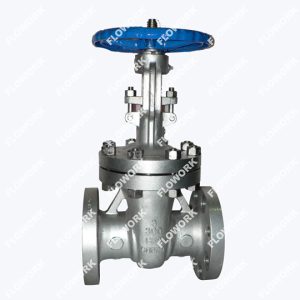
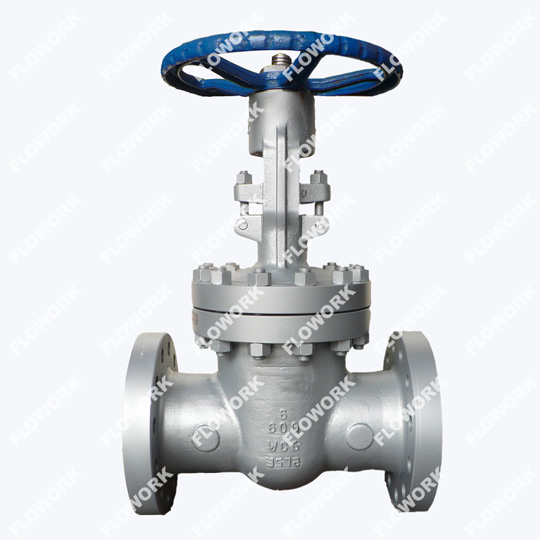
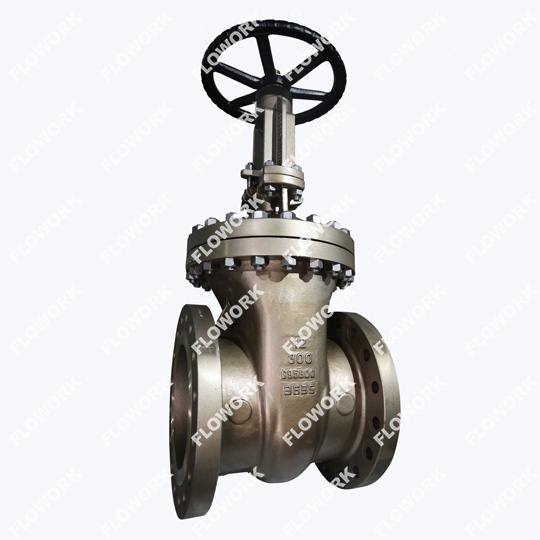
are linear motion valves that are primarily used to start or stop the flow of fluid. They work by lifting a gate or wedge inside the valve body, which opens or closes the flow passage. Gate valves are commonly used in large pipelines and are well-suited for applications where a straight-line flow of fluid with minimal restriction is required. Due to their design, they are best for fully open or fully closed applications rather than throttling or regulating flow.
How Gate Valves Work in Oil and Gas Applications
Gate Valve Functionality in Oil Pipelines
In oil pipelines, gate valves serve as critical components for controlling the flow of oil and gas. They are typically used in situations where a full shutoff is necessary, such as isolating sections of the pipeline for maintenance or repairs. The gate valve’s robust sealing capability ensures minimal leakage when the valve is closed, making it ideal for long-distance transportation of crude oil and natural gas under high pressure.
Gate Valve in Oil Refining
Gate valves are also integral to oil refining processes. In refineries, these valves control the flow of liquids and gases through various refining stages. They are used in high-pressure systems to prevent leaks and maintain the integrity of the refining process. Their ability to provide a tight seal when closed helps protect equipment and ensures the efficient operation of refinery systems.
Types of Gate Valves for Oil and Gas Applications
Wedge Gate Valves
Wedge gate valves are the most common type of gate valve used in oil and gas applications. The wedge-shaped gate allows for a tight seal, making them ideal for high-pressure and high-temperature environments. They are typically used for larger pipelines and provide a reliable shutoff.
Parallel Gate Valves
Parallel gate valves, unlike wedge valves, have a flat gate that fits perfectly between two parallel seats. These valves are more suitable for low-pressure applications where high precision and minimal friction are required. While they may not offer the same robust sealing as wedge valves, they are still used in certain applications within the oil and gas industry.
Knife Gate Valves
Knife gate valves are specifically designed to cut through thick, viscous fluids, making them ideal for slurry and other complex flow systems. They are often used in areas like oil sands production and other heavy-duty operations where other valve types may fail.
Key Benefits of Gate Valves for Oil and Gas
Flow Control Capabilities
Gate valves are known for their ability to provide a straight-line flow with minimal turbulence. This makes them particularly effective in oil and gas systems where uninterrupted flow is essential. Their simple mechanism also ensures that flow control is reliable over long periods of operation.
High-Pressure Handling
Gate valves are ideal for high-pressure environments. Their heavy-duty construction and robust sealing mechanisms allow them to withstand high pressures, making them a preferred choice for oil and gas pipelines that operate under extreme conditions. This capability is essential for both upstream and downstream operations, including offshore drilling rigs and deep-water pipelines.
Durability and Longevity
Gate valves are built to last, even in harsh conditions. Their design is focused on long-term performance, with minimal maintenance required. This makes them a cost-effective choice for oil and gas companies, as they can rely on these valves for years without significant repair or replacement.
Design and Selection Considerations for Gate Valves
Material Selection for High-Pressure Applications
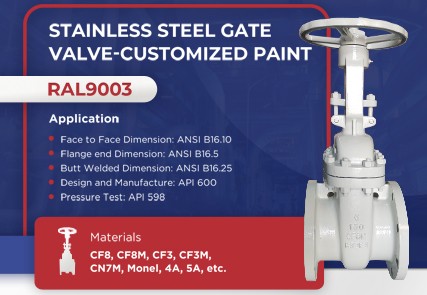
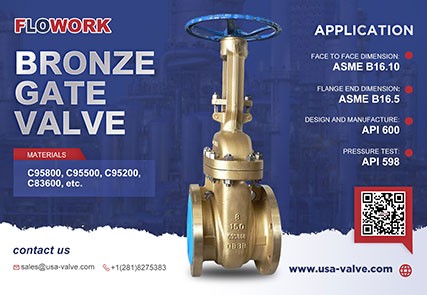
When choosing a gate valve for high-pressure oil and gas systems, it is crucial to select the appropriate materials. Common materials used include stainless steel, alloy steels, and carbon steel, depending on the pressure, temperature, and chemical properties of the fluids being handled.
Size and Flow Rate Requirements
The size of the gate valve must be carefully selected based on the pipeline diameter and the required flow rate. Oversized valves may result in inefficiency, while undersized valves may struggle to control the flow effectively. Ensuring proper sizing is key to optimizing performance and longevity.
Cost and Maintenance Considerations
Gate valves are relatively easy to maintain due to their simple design. However, proper selection of materials and specifications can impact long-term maintenance costs. It’s important to factor in the total cost of ownership, including installation, maintenance, and potential downtime.
Applications of Gate Valves in Oil and Gas Industry
Oil Pipeline and Storage Tank Applications
Gate valves are widely used in oil pipeline systems to isolate sections of the pipeline for maintenance or during emergencies. These valves are also used in storage tanks to control the inflow and outflow of oil and gas, ensuring safe and controlled operations.
Oil and Gas Refining and Processing
In oil refining and processing, gate valves control the flow of raw materials and finished products. They are used to manage the flow of liquids, gases, and chemicals through various stages of the refining process. Their ability to withstand high pressure and provide tight shutoffs makes them indispensable in refining operations.
Gate Valves in Offshore Oil Operations
Offshore oil operations face unique challenges due to harsh environmental conditions and high-pressure systems. Gate valves are essential in managing flow in these systems, helping to maintain the integrity and safety of offshore platforms and subsea pipelines.
FAQs
What is the primary function of a gate valve?
A gate valve’s primary function is to control the flow of fluids by either fully opening or fully closing the flow path, providing a tight shutoff when closed.
How do gate valves benefit oil and gas applications?
Gate valves are reliable for controlling the flow in oil and gas systems, offering tight seals, high-pressure handling, and durability, making them ideal for critical applications.
What are the best gate valves for high-pressure oil pipelines?
Wedge gate valves are typically the best choice for high-pressure oil pipelines due to their robust construction and ability to withstand extreme pressure and temperature conditions.
Conclusion
Gate valves play a pivotal role in ensuring the safety and efficiency of oil and gas operations. Their reliability, high-pressure handling capabilities, and simple yet effective design make them a preferred choice for pipelines, refineries, and offshore operations. For top-quality gate valves, visit Flowork, where you can find durable and efficient solutions for all your oil and gas valve needs.