English
 Español

Why Bronze Valves Defeat Brass in Severe Service
Introduction
Picking the wrong valve material can quietly ruin an industrial pipeline. Brass and bronze look almost identical on a shelf, but putting a standard brass fitting into a saltwater line causes fast, catastrophic failure. This guide breaks down the core structural differences, performance metrics, and application rules to ensure your business selects the perfect alloy for your next project.
What's the Difference Between Brass and Bronze Valve Materials
The main difference between brass and bronze valves lies in their alloy composition. Bronze blends copper with tin for superior marine corrosion resistance, while brass blends copper with zinc for better machinability and lower upfront costs.
Copper and Tin Base (Bronze)
Traditional bronze is a rugged, heavy-duty material made by melting copper with tin. This specific chemical recipe gives the metal a distinctive reddish-brown tint and a slightly grainy, rough surface. Tin acts like a shield, making the alloy incredibly tough and naturally resistant to cracking, scratching, and chemical wear.
Copper and Zinc Base (Brass)
Brass takes a different metallurgical route by combining copper with zinc. This mix results in a bright, yellow-gold finish that looks a lot like real gold. The surface is naturally smooth and slick because zinc makes the metal highly malleable. It is easy to cut, shape, and thread, which significantly lowers manufacturing costs.
Malleability vs. Tensile Strength
Slamming the Brakes on Stress: Bronze possesses superior tensile strength, meaning it can take intense structural stress and heavy fluid hammering without deforming.
Easy Machining: Brass is softer and bends more easily before it snaps. This makes it fantastic for complex, intricate internal valve parts but less reliable under massive mechanical strain.
Surface Differences: If you run your fingers over the cast metal, bronze feels like fine sandpaper, whereas brass feels like polished glass.
How Do Brass vs Bronze Ball Valves Compare in Fluid Systems
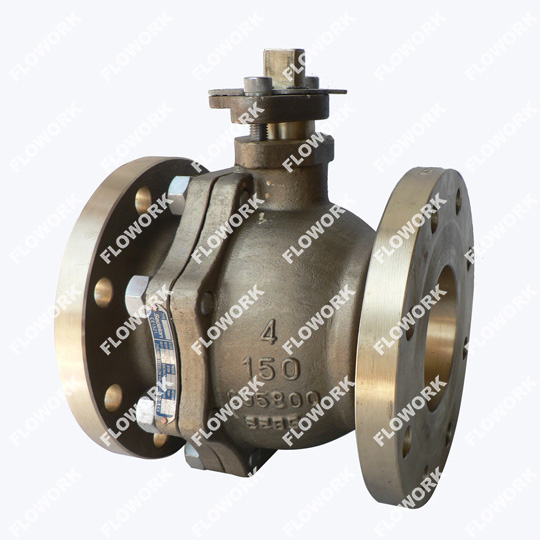
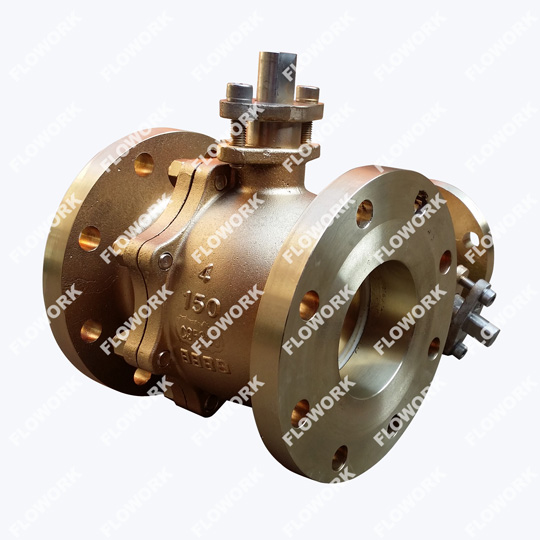
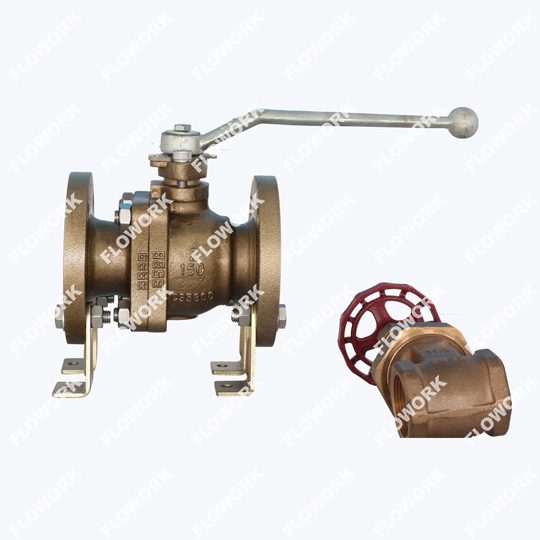
When comparing brass vs bronze ball valves, bronze wins for marine and high-temperature plumbing due to its superior dezincification resistance, whereas brass is preferred for clean gas, commercial water, and low-pressure applications.
Marine and Seawater Performance
If you run salt water through a pipeline, brass faces a deadly chemical enemy called dezincification. The salt literally strips the zinc out of the metal, leaving behind a weak, porous copper sponge that leaks under the slightest pressure. Choosing a bronze ball valve eliminates this worry completely because tin does not react to saltwater.
High-Temperature Steam Limits
Boiler rooms and steam loops subject hardware to relentless heat. Brass starts to soften and lose its sealing grip once temperatures climb past a certain point. Bronze maintains its stiff, rigid shape even when handling superheated steam, preventing dangerous blowouts on the factory floor.
Initial Purchase Cost vs. Service Life
Upfront Savings: Brass valves are significantly cheaper to buy on day one, making them excellent for budget-conscious commercial plumbing projects.
Long-Term ROI: Bronze costs more upfront because tin is an expensive raw material. However, it lasts up to three times longer in harsh environments, saving your maintenance team from constant replacement loops.
Why Use a Bronze Gate Valve or Bronze Check Valve in Tough Environments
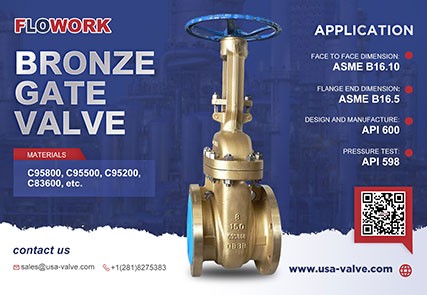
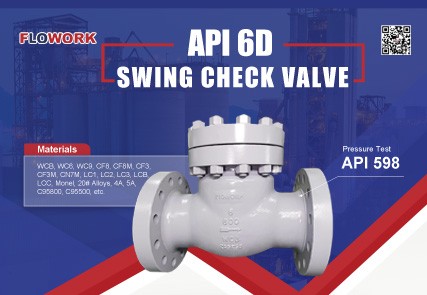
Industrial piping systems utilize a bronze gate valve or a bronze check valve in environments with high abrasive wear or saline content because bronze develops a protective oxide layer that resists rough fluid friction.
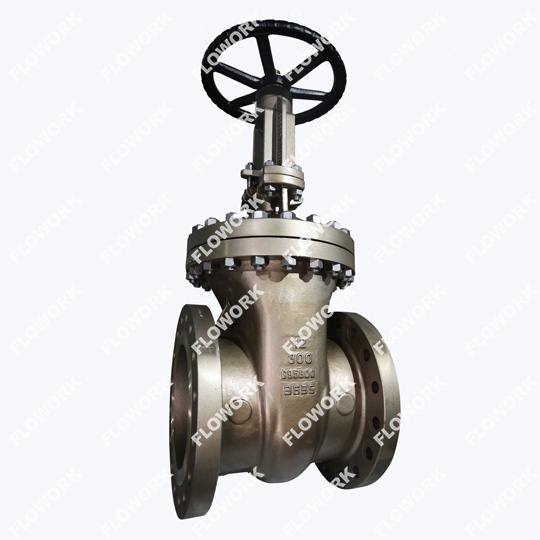
Thick-Walled Gate Isolation
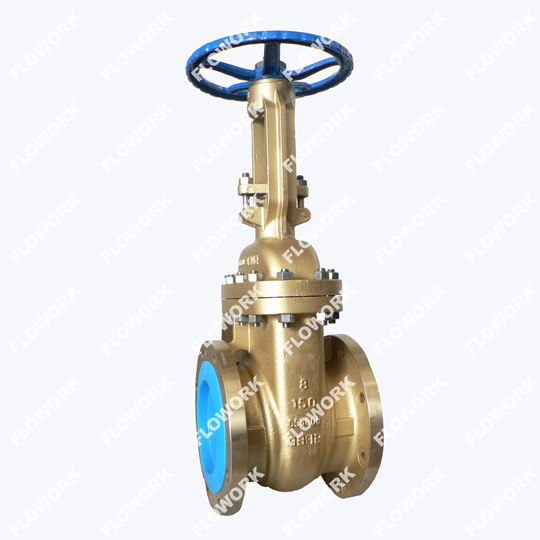
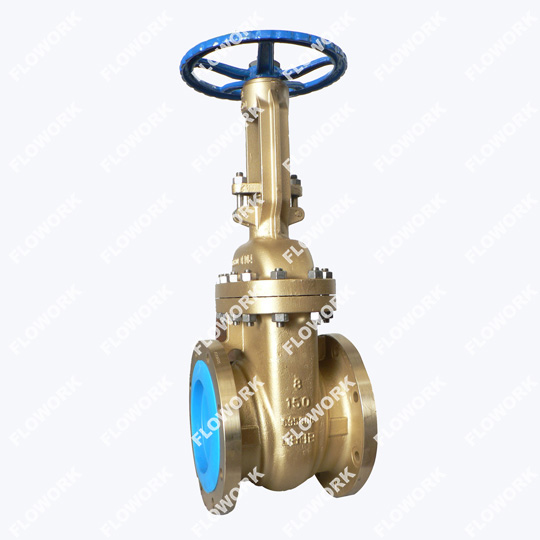
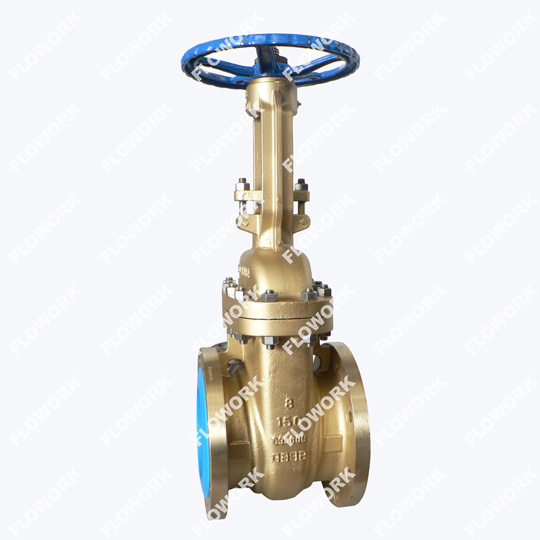
When your operators need to shut down a dirty main line, a bronze gate valve provides a massive, thick-walled barrier. The internal wedge slides down smoothly against the flow. Because bronze resists abrasion, floating sand grains or rust flakes in the fluid will not gouge deep scars into the sealing seats.
Non-Return Backflow Prevention
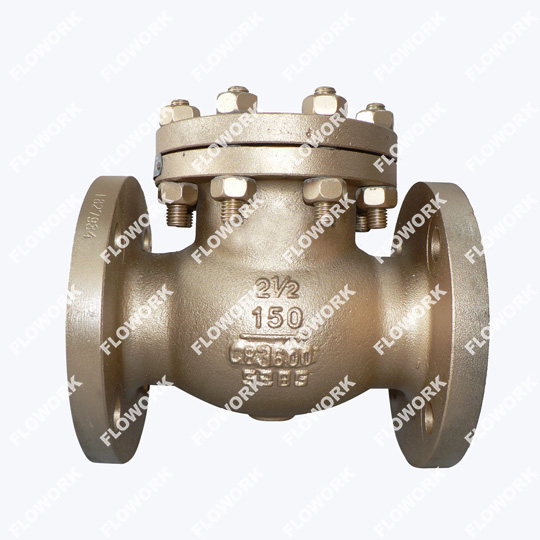
Protecting expensive pumps from backflow requires absolute reliability. A bronze check valve reacts instantly when fluid reverses direction. The heavy bronze disc swings shut and forms a tight seal against the seat, holding back massive backpressure without warping or leaking.
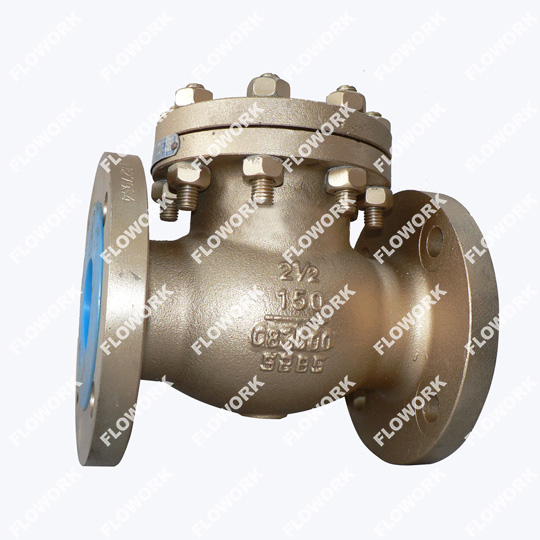
Corrosion Fatigue Resistance
Natural Shielding: When exposed to oxygen and water, bronze grows a tight, dark greenish-brown patina. This oxidation layer acts like a natural coat of paint, blocking deeper rust from eating the valve.
No Stress Cracking: Industrial systems vibrate constantly. Bronze absorbs these micro-shocks without developing microscopic stress fractures that lead to sudden piping ruptures.
What Is the Role of Bronze Valve Guides in Mechanical Assemblies
In heavy-duty machinery, bronze valve guides are critical for heat dissipation and self-lubricating wear resistance, ensuring moving valve stems stay perfectly aligned without seizing under friction.
Heat Dissipation and Thermal Conductivity
High-speed engine strokes and heavy industrial actuators generate friction heat. If the heat stays trapped, moving parts expand and jam. Bronze valve guides quickly draw that heat away from the sliding stem and dump it safely into the surrounding cooling jacket.
Self-Lubricating Metal Wear
Certain bronze formulations contain trace elements like phosphorous or lead that make the metal naturally slippery. Even if your automated oiling system experiences a brief drop in pressure, the bronze guide allows the steel valve stem to slide smoothly without scuffing or galling.
Preventing Stem Seizure
Dissimilar Metals: Pairing a hard steel stem with a bronze guide prevents galling. When two identical metals rub together, they can literally weld themselves shut.
Tolerances: Bronze holds its shape tightly across thousands of operational hours, keeping the valve moving perfectly straight and avoiding sloppy, off-center sealing.
How Do You Choose Between Bronze and Brass for Your Piping Project
Making the final call comes down to mapping your specific fluid properties against your operational budget.
Media Chemistry and Salinity Levels
Take a close look at what is traveling inside your pipes. If you are moving unrefined crude oil, brackish water, marine brine, or aggressive industrial chemicals, do not compromise—pay the premium for bronze. Save brass for clean municipal tap water, compressed air lines, and inert gases.
Working System Pressures
High-pressure hydraulic lines or deep-well oil systems require thick, heavy castings. Brass valves typically feature thinner walls and lower pressure ratings. If your system faces sudden pressure spikes or heavy fluid hammering, bronze provides the necessary safety margin.
Lead-Free Compliance Laws
If your pipeline carries drinking water for municipal networks, you must check local environmental laws. Older bronze formulations contain small amounts of lead to help with casting. Modern systems must utilize specialized lead-free brass or specific eco-friendly bronze alloys to stay legally compliant.
Industrial Application Matrix: Bronze vs. Brass Valves
| Operating Environment | Bronze Valves | Brass Valves | Engineering Decision Rule |
| Marine & Saltwater Systems | YES | NO | Brass suffers rapid dezincification in brine. |
| High-Pressure Steam (Over 15 Bar) | YES | NO | Bronze retains structural rigidity under high heat. |
| Clean Municipal Tap Water | YES | YES | Brass is preferred here to cut project procurement costs. |
| Abrasive Sand & Slurry Fluids | YES | NO | Harder bronze alloy resisting scratching and internal wear. |
| Flammable Natural Gas Lines | YES | YES | Brass is the industry standard for low-pressure gas manifolds. |
| Continuous Mechanical Vibration | YES | NO | Bronze absorbs micro-shocks without stress cracking. |
FAQs
Can you use a brass ball valve in a saltwater or marine piping system?
No. Saltwater strips zinc out of brass, turning the valve into a weak, leaky copper sponge via dezincification.
Why is a bronze check valve more expensive than a brass one?
Bronze uses expensive tin and copper raw materials, which command a higher market price than the zinc in brass.
What does the term dezincification mean for industrial plumbing valves?
It is a corrosion process where zinc leaches out of brass alloys, destroying the valve’s structural strength and causing leaks.
Are bronze valve guides suitable for dry, unlubricated mechanical systems?
Yes. Certain bronze formulations have inherent slippery properties that allow smooth metal sliding without continuous external grease.
How can a pipeline inspector visually tell the difference between bronze and brass?
Bronze has a rough, grainy reddish-brown surface, while brass looks smooth with a shiny, bright yellow-gold appearance.
Does bronze rust when exposed to outdoor weather conditions?
No. Bronze develops a greenish protective patina that shields the underlying metal from deep atmospheric corrosion.
Can I use brass valves for flammable natural gas lines?
Yes. Brass works exceptionally well for low-pressure clean gases and is a standard material for commercial gas manifolds.
Is bronze completely lead-free?
Standard industrial bronze can contain trace lead, but modern drinking water systems require certified lead-free bronze options.
Conclusion
Choosing between brass and bronze comes down to balancing system environment against cost. Use budget-friendly brass for clean, low-pressure commercial utilities, but always deploy heavy-duty bronze for harsh marine, steam, and abrasive industrial lines. Ready to secure your piping infrastructure against premature leaks? Contact FLOWORK today for expert technical advice and a fast quote!