English
 Español



Why Bronze Valves Are Essential for Corrosive Fluid Systems
Introduction
You deal with challenging fluid systems every day, and corrosive liquids require reliable valves. Choosing the right material is crucial to protect your equipment and ensure safe, efficient operation. Bronze valves are increasingly recognized for their performance in harsh chemical environments. You can benefit from reduced maintenance and extended service life.
What Are Bronze Valves?
Structure and Design of Bronze Valves
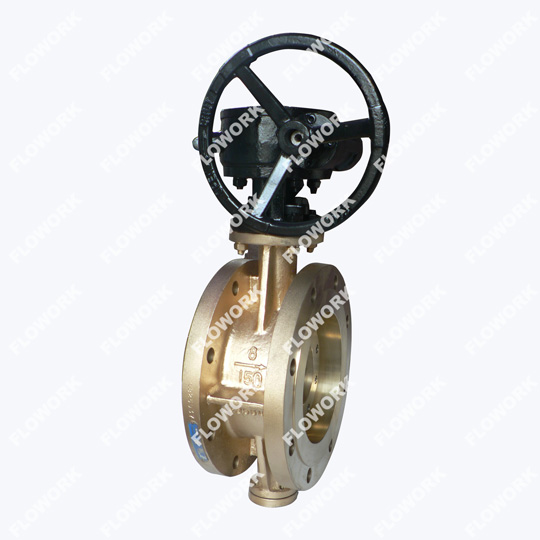
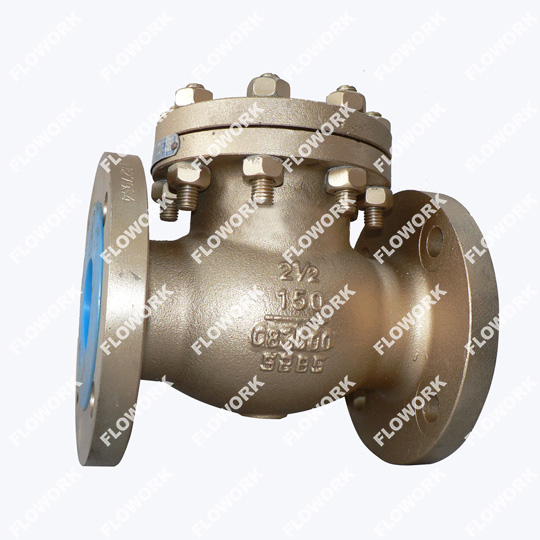
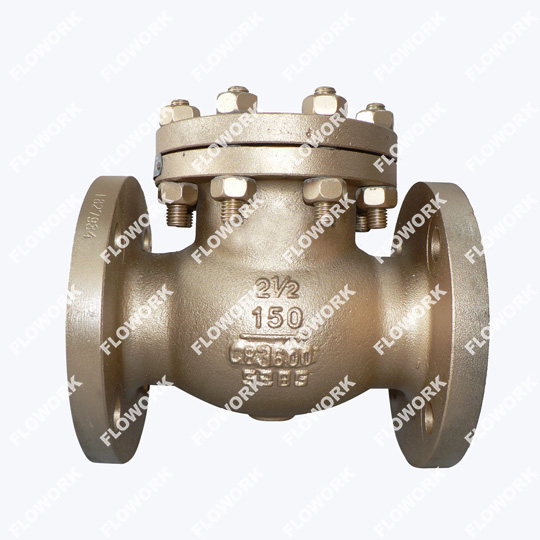
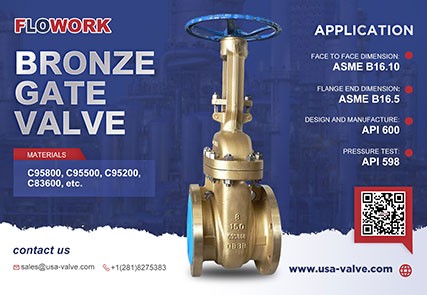
Bronze valves are typically made from copper-tin alloys, offering excellent durability and corrosion resistance. Their robust design supports both rotary and linear motion, making them versatile for different fluid control needs. These valves are suitable for industrial environments where reliability is essential.
How Bronze Valves Differ from Other Valves
Unlike steel or plastic valves, bronze valves resist corrosion without frequent coating or replacement. They provide a balance between strength, weight, and chemical resistance. This makes them ideal for chemical, acidic, and saline applications where other materials may fail.
Why Bronze Valves Are Ideal for Corrosive Fluid Systems
Corrosion Resistance of Bronze Valves
Bronze naturally resists oxidation and chemical attack, making it suitable for acids, alkalis, and other corrosive fluids. This resistance prevents leaks, ensures system integrity, and reduces downtime, protecting both equipment and operators.
Longevity and Reliability in Harsh Environments
Bronze valves maintain performance even under continuous exposure to aggressive chemicals. Their longevity minimizes replacement frequency, reducing operational disruption and overall costs while maintaining reliable fluid control.
Benefits of Bronze Valves in Industrial Applications
Reduced Maintenance Needs
Bronze valves require less frequent maintenance due to their corrosion resistance. This lowers labor costs and reduces the risk of system downtime, allowing your industrial processes to run smoothly.
Efficient Fluid Control
These valves offer precise flow regulation and consistent sealing under a wide range of pressures and temperatures. This ensures stable operation and protects sensitive chemical processes from fluctuations.
Cost-Effectiveness Over Time
Although the initial investment may be higher than plastic or standard steel valves, bronze valves provide long-term savings. Lower maintenance and longer service life translate into better overall value for industrial operations.
How to Choose the Right Bronze Valve
Material and Size Considerations
Select bronze valves that match the specific chemical resistance and mechanical strength required for your system. Proper sizing ensures efficient operation and prevents unnecessary wear.
Flow Rate and Pressure Requirements
Consider your system’s maximum flow and pressure. Bronze valves are suitable for moderate to high-pressure systems, but matching the valve to your application avoids overstrain and extends lifespan.
Compatibility with Chemical Fluids
Check compatibility with acids, bases, and other corrosive fluids. Using a bronze valve in the right chemical environment ensures performance and prevents system failures.
Applications of Bronze Valves in Corrosive Fluid Systems
Chemical Processing Systems
Bronze valves are widely used in chemical plants to control aggressive fluids, providing safety and precision. Their durability makes them ideal for continuous operation in corrosive environments.
Acid and Corrosive Liquid Handling
Industries handling acids, brines, or caustic solutions rely on bronze valves to prevent leaks, maintain system integrity, and reduce maintenance intervals.
Industrial Fluid Control
Bronze valves are also applied in general industrial fluid systems where chemical resistance, reliability, and longevity are key factors for operational efficiency.
FAQs
What makes bronze valves suitable for corrosive fluids?
Bronze naturally resists oxidation and chemical attack, ensuring reliable operation in acidic and alkaline environments.
How do bronze valves reduce maintenance costs?
Their corrosion resistance reduces wear and the need for frequent replacement, lowering labor and downtime costs.
Can bronze valves be used in high-temperature systems?
Yes, bronze valves handle moderate to high temperatures, but always verify compatibility with the specific chemical and thermal conditions of your system.
Conclusion
You need durable and reliable valves for corrosive fluid systems, and bronze valves provide the perfect balance of corrosion resistance, longevity, and efficiency. By choosing high-quality valves from flowork, you enhance safety, reduce maintenance, and ensure smooth industrial operations.