English
 Español



Why Ball Valves Are Critical for Chemical Processing Efficiency
Introduction
You rely on precise control in chemical processing to maintain safety, efficiency, and consistency. Choosing the right valves is essential for your operations. Ball valves provide reliable flow control, quick shut-off, and durability, making them indispensable for managing chemical fluids in industrial settings.
What Are Ball Valves?

Structure and Operation of Ball Valves
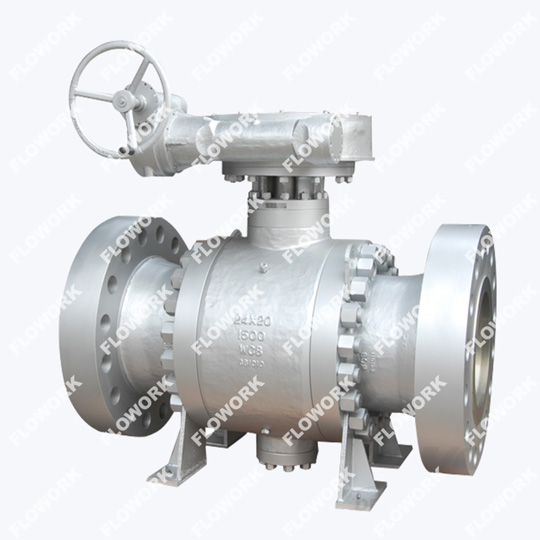
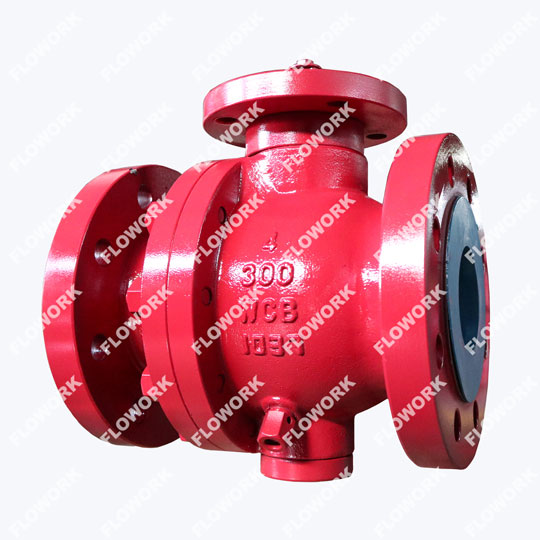
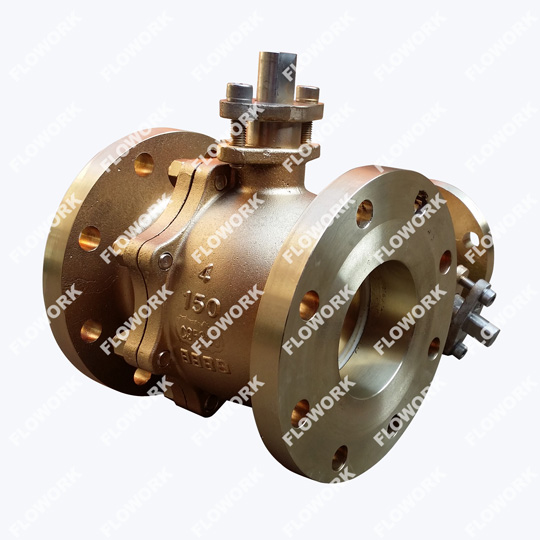
Ball valves use a spherical disc to control flow through a pipeline. When the ball’s hole aligns with the pipeline, fluid flows freely; turning it 90 degrees stops flow. This simple mechanism ensures fast, reliable shut-off with minimal leakage. High-quality Ball Valve options are designed to handle chemical fluids safely.
Differences Between Ball Valves and Other Industrial Valves
Compared with gate or globe valves, ball valves offer quicker operation, lower pressure drops, and better sealing performance. They are especially suited for high-pressure chemical systems where safety and efficiency are critical.
How Ball Valves Improve Chemical Processing Efficiency
Precise Flow Control in Chemical Systems
Ball valves allow for accurate control of chemical fluids, ensuring consistent flow rates and preventing process deviations. Their tight sealing reduces waste, optimizes reactions, and supports energy efficiency in plant operations. Many Ball Valve designs are compatible with automated chemical processes.
Minimizing Downtime and Maintenance
The robust design of ball valves reduces wear and maintenance needs. You spend less time addressing leaks or repairs, keeping your chemical processes running smoothly and minimizing costly interruptions.
Benefits of Ball Valves in Chemical Processing
Enhanced Safety and Reliability
Ball valves provide leak-tight operation, which is crucial when handling hazardous chemicals. Their design reduces the risk of spills, protecting both your staff and equipment.
Long-Term Durability
Constructed from corrosion-resistant materials, Ball Valves withstand harsh chemical environments. You gain long-term performance with minimal replacement needs, making them a cost-effective choice.
Quick Shut-Off Capabilities
In emergency situations, ball valves can quickly stop the flow, safeguarding your process. This rapid response supports compliance with safety regulations and improves operational control.
Design and Selection Considerations for Ball Valves
Material Compatibility
Select ball valves made from materials resistant to the chemicals in your process. This prevents corrosion and extends service life, maintaining efficiency and safety.
Size and Flow Requirements
Choose valves that match your pipeline size and flow demands. Oversized or undersized valves can reduce efficiency or create unnecessary wear.
Maintenance and Cost Factors
Consider ease of maintenance, availability of spare parts, and total lifecycle cost. Ball valves may have higher upfront costs but save money through durability and reduced downtime.
Applications of Ball Valves in Chemical Processing
Industrial Chemical Systems
Ball valves are widely used in chemical plants to control the flow of acids, solvents, and other reactive fluids, ensuring precise operation and safety.
Automated and Smart Chemical Plants
In modern automated facilities, Ball Valve designs integrate easily with control systems, supporting real-time monitoring and smart operation.
Hazardous Chemical Handling
Their leak-proof design makes ball valves ideal for transporting hazardous fluids, protecting workers and equipment.
FAQs
What makes ball valves suitable for chemical processing?
Ball valves provide tight sealing, corrosion resistance, and fast shut-off, essential for handling chemicals safely and efficiently.
Can ball valves handle high-pressure chemical systems?
Yes, ball valves are designed for high-pressure applications, offering reliable performance and minimal leakage.
How often should ball valves be maintained in chemical plants?
Routine inspection and lubrication are recommended, but their durable design reduces frequent maintenance compared to other valves.
Conclusion
You need valves that provide safety, reliability, and efficiency for chemical processing. Choosing high-quality ball valves ensures optimal flow control and minimal downtime. Discover premium options at flowork to enhance your chemical system performance and operational safety.