English
 Español


1、You are in restricted area and need password. Please Contact us to obtain documents.
2、PasswordIf you have any questions about quotation or cooperation, please feel free to send us inquiry. Inquiry us
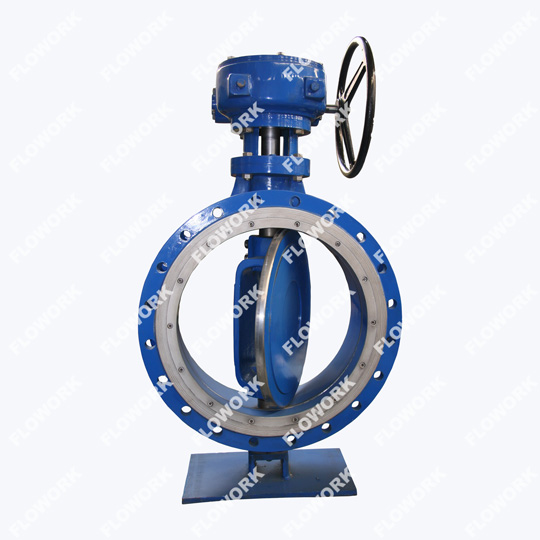
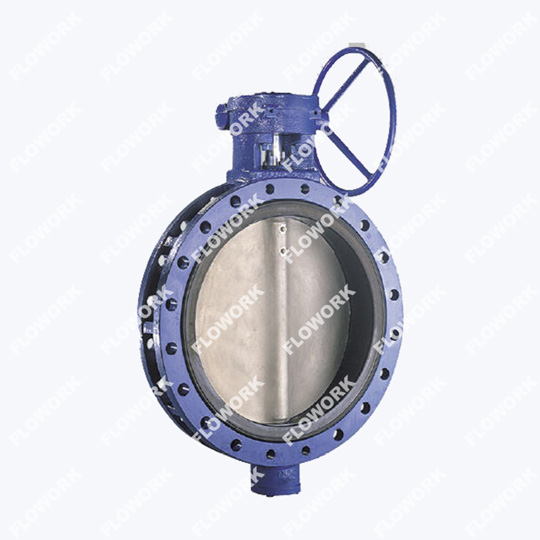
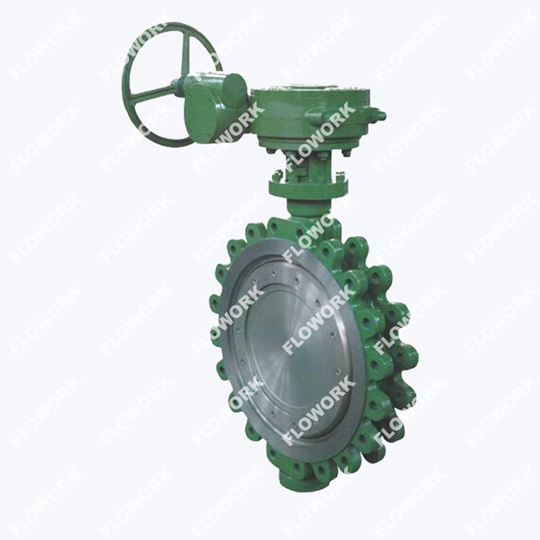
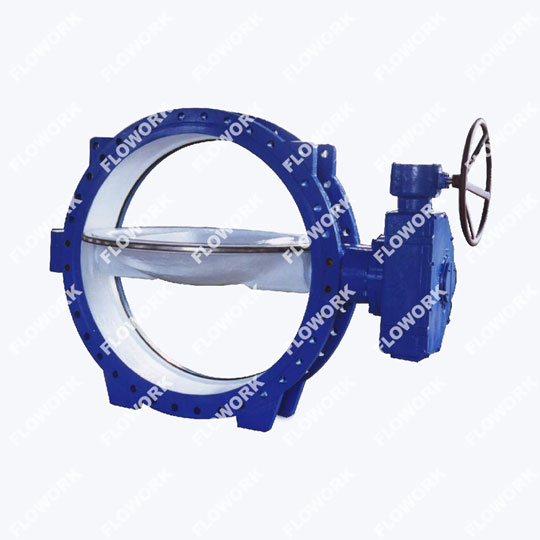
| Size: | 2"-60" |
| Pressure: | 150LB-2500LB |
| Body Material: | CF8, CF8M, CF3, CF3M, CN7M, LC1, LC2, LC3, LCB, LCC, Monel, 20# Alloys, 4A, 5A, F304, F304L, F316, F316L, LF1, LF2, LF3, LF9, F51, F53, etc. |
| Seal Material: | PTFE, NBR, METAL SEAT |
| Connection Type: | Flanged, Wafer, Lug |
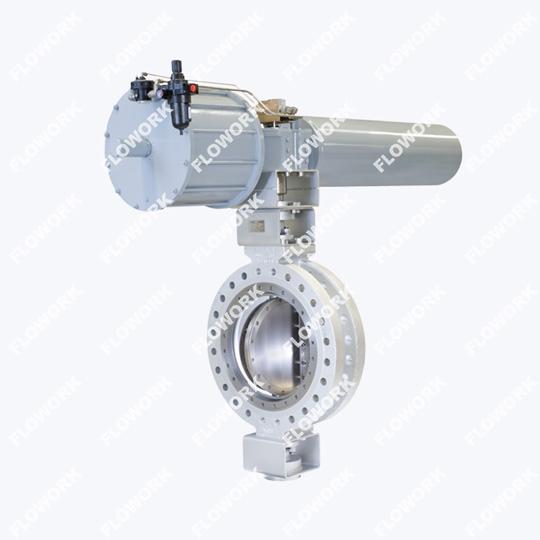
| Operation: | Gear operated, pneumatic, motorized |
| Face to Face Dimension: | ASME B16.10 |
| Flange End Dimension: | ASME B16.5 |
| Butt Welded Dimension: | ASME B16.25 |
| Design and Manufacture: | API 609,BS 6364-1984,SHELL MESC SPE 77/200,MSS SP - 134 - 2018 |
| Test Standard: | API 598, API 607, API 6FA, ISO 15848-1-2 |
Suitable for the cryogenic/low temperature service. api 6d ball valve
Test the subzero treatment when the temperature below minus 100 ℃.
Suitable for lowest temperature to minus 196 ℃ environment. forged ball valve
Available with low temperature material as LCB/CF8/CF8M, etc.
Generally with extended bonnet to protect packing normal usage in the low temperature environment. carbon steel gate valves
PTFE stays resilient down to roughly -200°C and is the default choice for bubble-tight shutoff, but at the coldest end of that range or under heavy cycling it can lose some flexibility — a metal seat trades a slightly less perfect seal for consistent performance across the full cryogenic range and better resistance to particulate media.
At the larger diameters and higher pressure classes this valve covers, the torque needed to seat the disc against the seal typically exceeds what a handwheel can deliver efficiently, so gear, pneumatic, or motorized operation is standard rather than optional.
Wafer is the lightest and most compact option for routine installations; lug type allows the valve to be unbolted on one side for maintenance without depressurizing the whole line; flanged is preferred at the largest diameters or where the valve may need to sit at a dead-end of the pipeline.
Yes — the same principle applies: it moves the stem seal away from the cold media toward ambient temperature, so the packing doesn't stiffen or crack, regardless of whether the underlying valve is a rotating disc, ball, or globe design.
A butterfly valve is lighter, more compact, and generally lower cost at large diameters, while a ball valve typically gives a tighter shutoff and handles higher pressure classes more easily — diameter and pressure class usually decide which makes more sense before seat material even enters the conversation.
Send us a message if you have any questions or request a quote.

A reply from our experts within 24 hours
The latest detailed product catalugue
One-stop service for your project