English
 Español



One-Piece vs. Two-Piece Ball Valves: Which One is Right for Your Business?
When it comes to controlling flow in industrial pipelines, choosing the right valve can make all the difference. Ball valves play a critical role in ensuring safety and efficiency. In this post, we’ll compare one-piece and two-piece ball valves and help you determine which option best suits your needs, whether you’re managing gas pipelines, chemical processing, or high-pressure fluid systems.
Difference Between One-Piece and Two-Piece Ball Valves
What Makes One-Piece Ball Valves Unique?
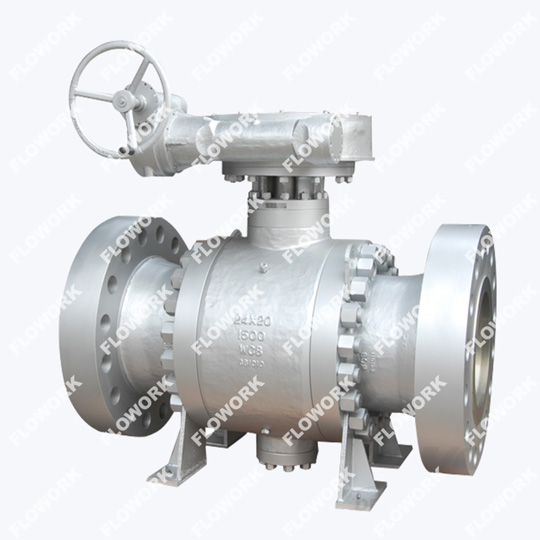
A one-piece ball valve is crafted from a single, continuous piece of metal, providing greater integrity and fewer leak paths. Unlike a two-piece valve, which has joints that can be prone to failure, the one-piece design significantly reduces the chance of leaks, especially in high-pressure applications.
- Fewer joints = Less risk of leaks
- Improved reliability in hazardous environments
- Ideal for industries with strict safety requirements
Why Choose Two-Piece Ball Valves?
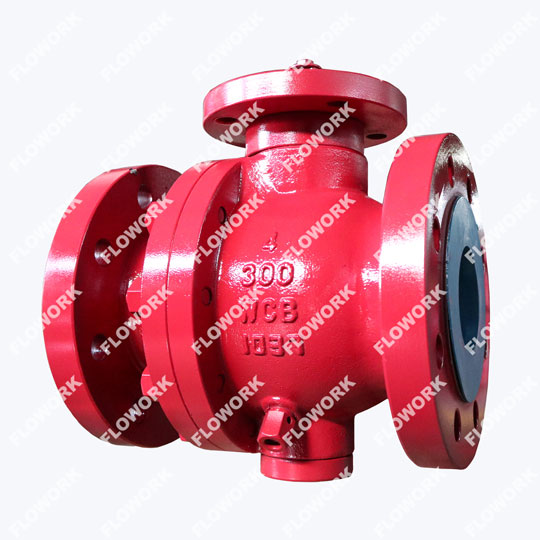
On the other hand, two-piece ball valves consist of two separate sections joined together, which might offer easier maintenance but can introduce potential leak points at the connection.
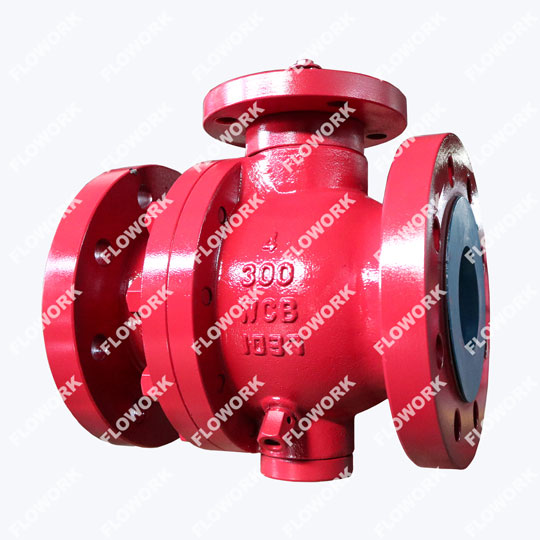
- Easier to maintain and repair
- Can be more cost-effective in some cases
- May require additional sealing measures
Full Bore vs. Reduced Bore: Choosing the Right Flow Option
Full Bore Ball Valves: Maximizing Flow Efficiency
Full bore ball valves are designed with a bore that matches the pipe diameter, allowing fluid to flow smoothly with minimal pressure drop. These are especially useful in applications where fluid flow is critical, such as in chemical industries or oil and gas pipelines.
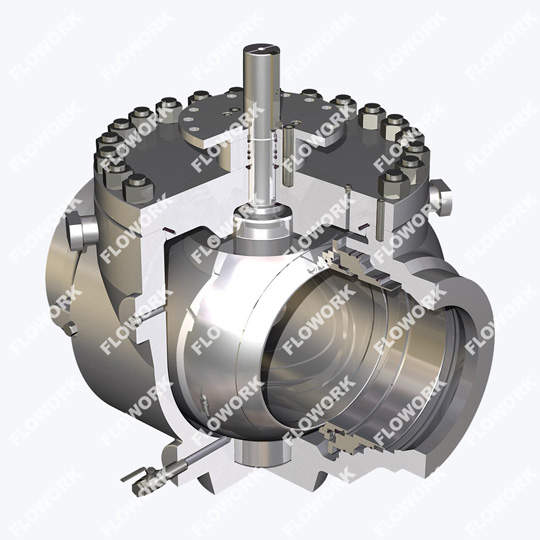
- Larger bore for optimal flow
- Ideal for systems requiring high-volume fluid movement
- Minimizes turbulence
Reduced Bore Ball Valves: Compact and Lightweight
Reduced bore ball valves have a smaller flow path compared to the pipe diameter. While they may cause slight pressure drops, they’re lighter and often more compact, which makes them a great option for smaller applications.
- Space-saving design
- Light and easy to install
- Potential for more turbulence, but often more cost-effective
High Integrity Single Body Ball Valve: The Ultimate Choice for Safety
What is a High Integrity Valve?
A high integrity single body ball valve is a one-piece valve that’s built to withstand high pressure and prevent leaks. The "high integrity" design means it’s durable, reliable, and engineered for the most demanding environments, such as chemical plants and oil refineries.
- Stronger, more durable design
- Fewer joints, less chance for failure
- Tested for leak resistance
Reducing Leak Paths in Industrial Ball Valves
How Leak Paths Impact Your Business
Every connection in a valve presents a potential leak path, and in industries that deal with hazardous fluids like oil or chemicals, these leaks can be catastrophic. Choosing a valve with fewer connections, such as a one-piece ball valve, can significantly reduce these risks.
| Valve Type | Leak Points | Ideal For | Pressure Rating | Weight | Cost |
|---|---|---|---|---|---|
| One-Piece Ball Valve | Minimal | High-risk, high-pressure systems | High | Heavy | Higher |
| Two-Piece Ball Valve | Moderate | Low-pressure systems | Medium | Lighter | Lower |
- One-piece valves have fewer points of potential failure.
- They are safer in systems dealing with high-pressure or hazardous materials.
- Two-piece valves may be better suited for low-risk, non-hazardous systems due to their cost-effectiveness.
Applications of One-Piece Ball Valves in Industry
Industries Benefiting from One-Piece Ball Valves
If you work in industries such as oil & gas, chemical production, or pharmaceutical manufacturing, choosing the right valve is paramount to maintaining both safety and efficiency. One-piece ball valves excel in these sectors because they can handle the rigorous demands of hazardous fluid transport, offering reliable and leak-free performance.
- Oil & Gas: For transporting crude and natural gas under high pressure
- Chemical Plants: Where leak prevention is critical to safety
- Pharmaceutical Industry: Ensuring clean, contaminant-free fluid handling
Conclusion: Your Safe Choice for Flow Control
In the end, the decision between one-piece and two-piece ball valves comes down to your application and safety requirements. If you’re managing high-pressure systems or hazardous materials, a one-piece ball valve is your best bet for minimizing leaks and ensuring long-term reliability.
When you’re ready to upgrade your valve system, FLOWORK offers high-quality ball valves designed with safety, performance, and durability in mind. Choose FLOWORK for your industrial needs and ensure your fluid transport systems are both efficient and secure.
FAQ
- What is the difference between a one-piece and two-piece ball valve?
A one-piece ball valve is made from a single, continuous piece of material, reducing the risk of leaks, while a two-piece valve has separate sections that can potentially create leak points. - When should I use a reduced bore valve?
Reduced bore valves are ideal for compact systems where space is limited and slightly reduced flow is acceptable. - Are one-piece ball valves more expensive?
Yes, they tend to be more expensive due to their durable, leak-resistant design, but they offer long-term savings through reduced maintenance and risk of failure. - Which industries typically use one-piece ball valves?
Industries such as oil & gas, chemical production, and pharmaceuticals require the reliability and safety that one-piece ball valves provide. - How does a full bore valve improve efficiency?
Full bore valves allow for a smooth, unrestricted flow of fluid, which is essential for systems with high flow rates and minimal pressure drop. - Can two-piece ball valves be used in hazardous environments?
While they can be used in less risky environments, two-piece valves are generally not recommended for high-pressure or hazardous fluid systems due to their additional leak points. - What are the key advantages of one-piece ball valves?
Fewer joints, enhanced reliability, better performance in high-pressure systems, and reduced maintenance costs. - How do I choose between a full bore and reduced bore valve?
Choose a full bore valve for systems needing high flow and minimal pressure drop, and a reduced bore valve when space and cost efficiency are more important. - Are one-piece ball valves easy to maintain?
Yes, one-piece ball valves require less maintenance than their two-piece counterparts because they have fewer components that could fail over time. - What should I consider when buying industrial ball valves?
Consider factors like the type of fluid, pressure ratings, size requirements, and whether leak prevention is a priority.