English
 Español



How Valve Structure Influences Flow Control and Safety
Introduction
You rely on industrial valves to maintain smooth operations in your systems, and the structure of a valve plays a crucial role in determining both flow control and safety. An optimized valve structure ensures accurate fluid regulation, minimal leakage, and reliable performance under different operating conditions. Understanding these factors helps you make informed choices for long-term industrial operations, reduce downtime, and lower maintenance costs. Choosing the right valves, such as high-quality ball valves or gate valves, ensures consistent performance while protecting equipment and personnel.
Overview of Valve Structure
Types of Valve Structures
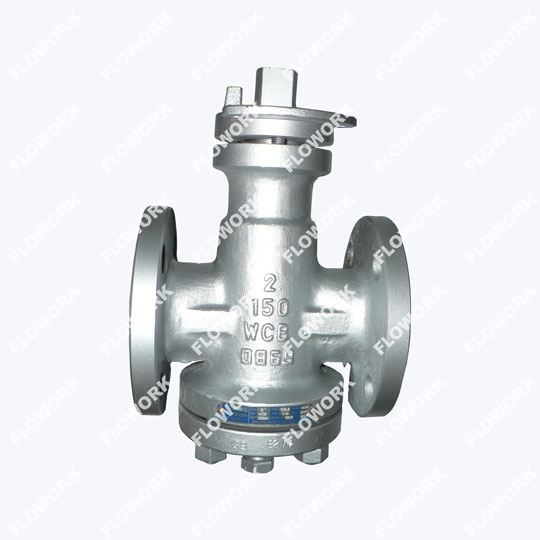
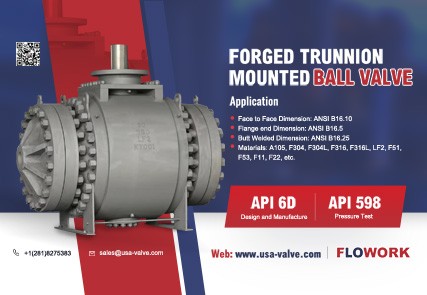
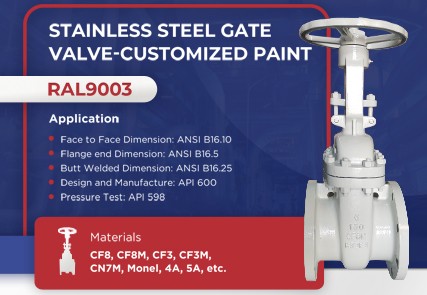
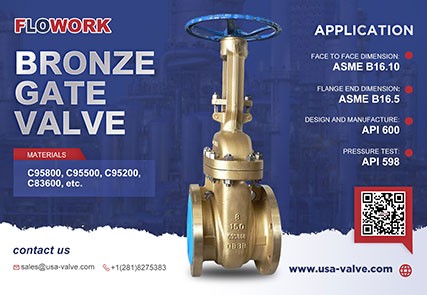
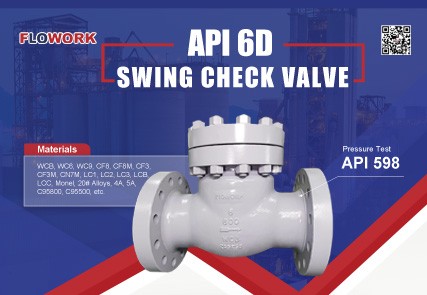
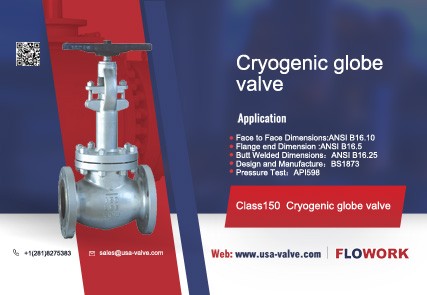
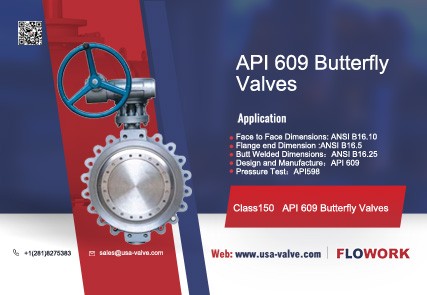
Valves are available in a variety of structures, including ball valves, gate valves, globe valves, check valves, butterfly valves, and plug valves. Each structure is designed for specific operational needs. For instance, ball valves offer quick on/off control with minimal flow resistance, while globe valves provide precise flow regulation. Check valves prevent backflow, ensuring system integrity. Knowing the strengths and limitations of each type allows you to select the most suitable valve for your application, whether it's chemical processing, water treatment, or high-pressure systems.
Basic Components and Their Roles
A valve generally consists of a body, flow control element, seat, stem, actuator, and sealing components. The body houses all internal parts and withstands system pressure. The flow control element regulates fluid movement, while the seat and seals prevent leakage. The stem transmits motion from the actuator, which can be manual, electric, or pneumatic. Each component contributes to the overall efficiency and reliability of the valve, impacting how effectively it controls flow and maintains safety.
How Valve Structure Affects Flow Control
Flow Path Design and Efficiency
The design of the flow path directly influences how fluid moves through the valve. Smooth, streamlined paths reduce turbulence and pressure drops, increasing system efficiency. Ball valves and globe valves are often used in applications requiring precise flow control due to their ability to maintain consistent velocity and minimize energy loss. Optimized flow paths also reduce wear and tear, prolonging the service life of the valve and connected piping.
Control Precision and Regulation
Valve structure determines how precisely fluid flow can be adjusted. Well-designed valves allow for gradual, accurate control, which is essential in industrial processes where small variations can impact production quality, temperature regulation, or chemical reactions. For example, globe valves excel in modulating flow rates, whereas butterfly valves are more suited for large-volume systems with lower precision requirements.
How Valve Structure Impacts Safety
Pressure and Temperature Handling
A valve's structural integrity dictates its ability to handle high pressure, temperature fluctuations, and transient spikes. Industrial-grade valves are engineered with reinforced materials and precise machining to withstand these conditions without failure. Selecting a valve designed for your system’s maximum pressure and temperature ensures safe operation and prevents catastrophic incidents.
Leak Prevention and Reliability
Properly designed sealing mechanisms and robust structures are critical to preventing leaks, which can lead to equipment damage, chemical exposure, or environmental hazards. High-quality check valves or plug valves offer reliable sealing, enhancing both safety and operational continuity. Regular inspections and maintenance further improve reliability, reducing downtime and costly repairs.
Safety Considerations in Valve Design
Material Compatibility
Choosing materials that are compatible with the fluid and operating conditions is essential. Stainless steel, duplex steel, or other corrosion-resistant alloys are often used for harsh or chemically aggressive environments. Material selection not only affects durability but also contributes to safety, ensuring the valve does not degrade or fail under continuous exposure.
Structural Integrity
Structural integrity includes both mechanical strength and design stability. Valves must endure repeated cycles, pressure surges, and operational stresses without deformation. Reinforced bodies and well-designed stems prevent mechanical failures and maintain consistent performance. High-quality industrial valves are tested rigorously to meet international standards and ensure long-term reliability.
Industrial Applications of Valve Structure
Flow Control in Various Systems
Different valve structures are suitable for different industrial systems. Gate valves and ball valves are commonly used for on/off control, while control valves and globe valves provide precise flow regulation in processes like chemical treatment, water distribution, and steam systems. Understanding the operational requirements of your system helps you select valves that optimize flow efficiency and maintain safety.
Safety-Critical Applications
In industries such as chemical manufacturing, oil & gas, and high-pressure steam systems, valves are critical for safety. Correct valve selection prevents leaks, overpressure incidents, and chemical spills. Using valves with robust structural design ensures system integrity, protects personnel, and reduces operational risks. High-quality valves like Flowork ball valves or globe valves can significantly enhance safety in these applications.
FAQs
How does valve structure influence flow control?
Valve structure affects the flow path, control precision, and turbulence, determining how smoothly and accurately fluids move through your system. A well-designed valve ensures efficient, consistent flow and minimal energy loss.
Why is valve structure important for safety?
Proper valve design ensures leak prevention, structural reliability, and the ability to handle pressure and temperature fluctuations, reducing the risk of system failures and accidents.
What should be considered when evaluating valve structure?
Consider flow requirements, material compatibility, pressure and temperature ratings, sealing performance, and operational conditions to select the most reliable and safe valve for your system.
Conclusion
Understanding how valve structure influences flow control and safety allows you to make informed decisions when selecting industrial valves. High-quality Flowork valves provide reliable solutions that optimize efficiency, reduce downtime, and protect both personnel and equipment. Trust Flowork for professional valve solutions that ensure consistent performance and long-term operational safety.