English
 Español

Plug Valve vs Ball Valve: 7 Key Differences
Introduction
Choosing the right valve can make or break your piping system. If you wonder about a plug valve vs ball valve, you are in the right place. Both handle fluid smoothly, but they suit different jobs. Let us look at how they work, their advantages, and how to pick the best option for your pipeline.
What is a Plug Valve and How Does It Work
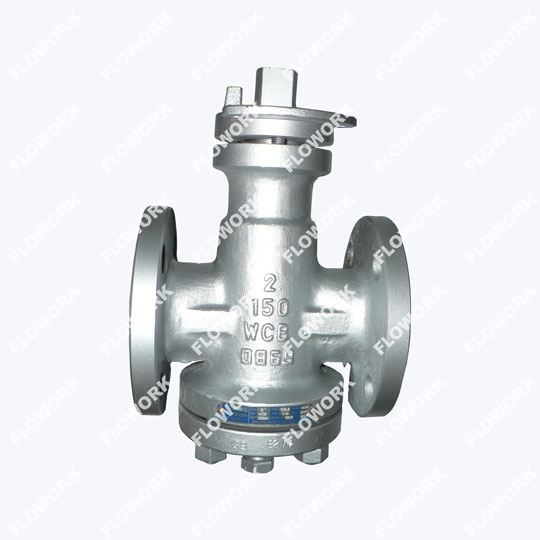
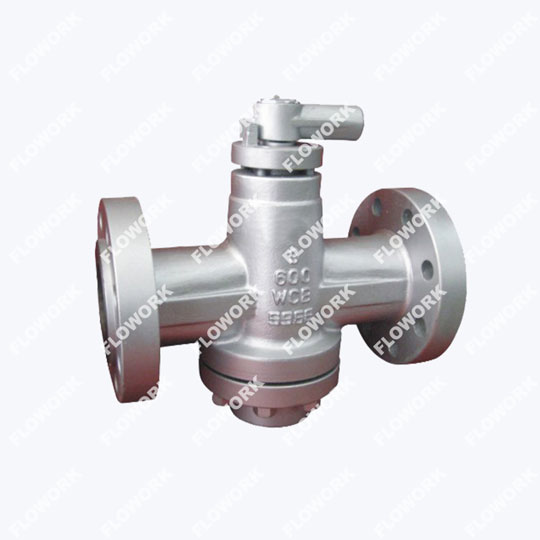
A plug valve is one of the oldest and most reliable types of valves used in piping systems. If you need a straightforward answer to what is a plug valve, think of it as a quick-turn device designed to stop or start fluid flow.
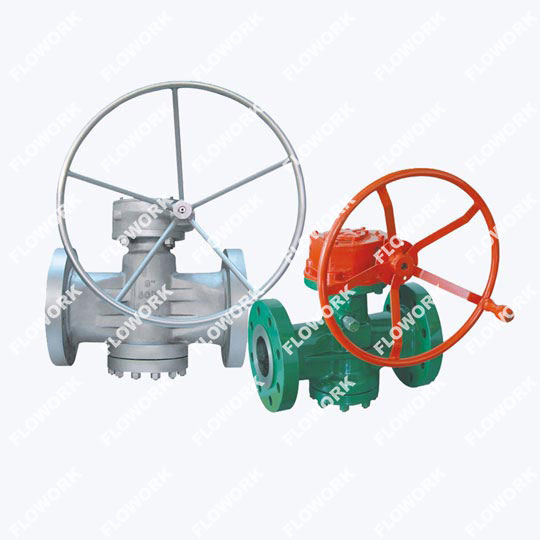
Instead of a round ball, this valve uses a cylindrical or conically shaped plug inside the body. This plug has a hollow passage cut straight through it. The core plug valve working principle relies on a simple quarter-turn rotation:
- When you open the valve: You turn the stem by 90°. The hole in the plug lines up perfectly with the pipe, creating an open path for your fluid.
- When you close the valve: You rotate it another 90°. The solid wall of the plug blocks the pipe completely, stopping the flow.
Because the plug matches the shape of the valve body cavity, there is very little dead space inside. This makes it incredibly tight and tough against leaks, especially when you handle messy or thick fluids.
What is a Ball Valve and How Does It Work
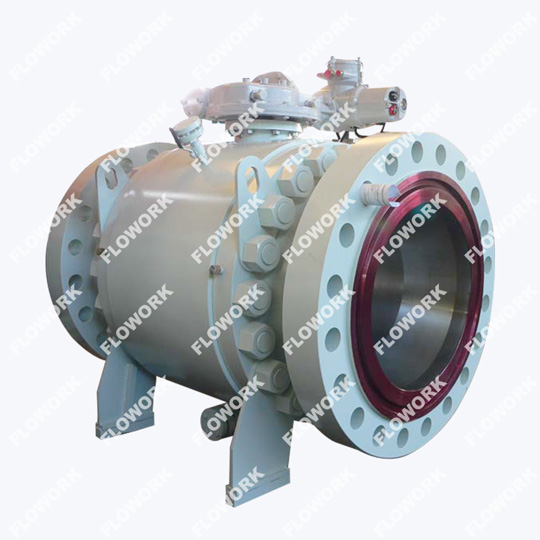
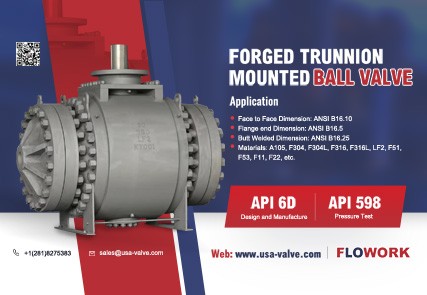
A ball valve operates on a very similar quarter-turn concept, but it swaps the solid plug for a hollow, polished sphere. This sphere has a hole bored right through the center.
The ball valve working principle is incredibly intuitive:
- In the open position: The hole points in the exact same direction as your pipeline. Fluid rushes straight through with almost zero resistance.
- In the closed position: You turn the handle 90°, rotating the ball so the solid face seals against the valve seats, cutting off the fluid.
Depending on your pressure levels, you might see a floating ball design where the fluid pressure pushes the ball against the seat, or a trunnion design where the ball is held firmly at the top and bottom. It is a smooth, quick mechanism that people love for standard on-and-off operations.
Plug Valve vs Ball Valve: 7 Key Differences
To help you see the big picture quickly, here is a breakdown of how these two valves match up across key engineering factors:
| Comparison Factor | Plug Valve | Ball Valve |
| Internal Design | Utilizes a cylindrical or conically shaped plug. | Utilizes a perfectly round, polished sphere (ball). |
| Sealing Surface | Large contact area; the entire plug face rubs against the sleeve or body. | Line contact area; the ball only touches the narrow seats surrounding it. |
| Flow Cavities | None. The body has zero dead space, preventing media entrapment. | Present. Small gaps exist between the ball and body where fluid can get trapped. |
| Operating Torque | High. Requires significant muscle or larger, more powerful actuators to turn. | Low. Rotates easily with minimal friction, saving actuator costs. |
| Flow Characteristics | Best suited for on/off isolation of heavy, gritty, or highly viscous media. | Best suited for on/off isolation of clean liquids, gases, and high-velocity fluids. |
| Pressure Drop | Moderate. The flow path is often slightly restricted in standard designs. | Minimal. Full-bore models offer a straight-through path with almost zero pressure loss. |
| Inline Maintenance | Excellent. Can be adjusted, greased, or serviced right while sitting in the pipeline. | Limited. Usually must be unbolted or completely removed from the line for repairs. |
Piping Note: If you realize your fluid application doesn't have heavy solids and you are actually choosing between a wedge or a sphere design, make sure to read our companion breakdown on Gate Valve vs Ball Valve to master basic blocking specs.
5 Major Plug Valve Advantages and Key Uses
Plug Valve Advantages
When you look closely at plug valve advantages, you realize these components are built for the toughest, dirtiest jobs out there. They do not mind a bit of grit or sludge.
No Trapped Solids: Since there are no cavities around the moving plug, debris cannot settle inside and jam your mechanism.
Top-Tier Sealing Power: The wide seating area provides an exceptional, bubble-tight seal that handles high vibrations and heavy pressure spikes without flinching.
Fast Inline Adjustments: If a plug valve starts to weep over time, you can usually tighten a bolt on top or inject lubricant to restore the seal instantly without stopping production.
Built to Strict Industry Standards: High-quality industrial plug valves are engineered to meet rigorous international benchmarks. If you are wondering about the specific design criteria, fire-testing, and pressure limits required for these heavy-duty components, you can read more about what is the API standard for plug valves to ensure your team picks a fully certified model.
Incredible Lifespan: The heavy-duty design shrugs off erosion, making it a fantastic investment for long-term operations.
Common Plug Valve Uses in Industry
Wastewater and Sewage Pipes: Perfect for managing thick sludge and rags that would clog other designs.
Mining and Slurry Lines: Handles rock-filled fluids, sand, and ore mixtures beautifully.
Refinery Bottoms: Works smoothly with heavy oil crudes, asphalt, and sticky chemical residues.
6 Ball Valve Advantages and Application Scenarios
Ball Valve Advantages
The ball valve is the undisputed king of clean fluid transport. Turn the handle, and it works flawlessly every single time. Here are the top ball valve advantages that explain its massive popularity:
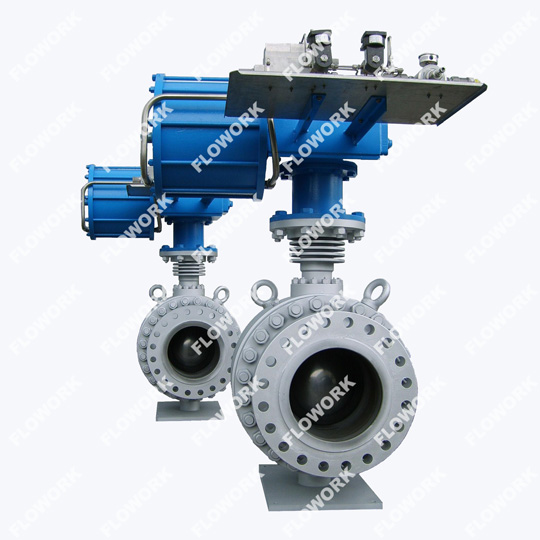
Effortless Automation: Because the operating friction is low, you can use smaller, cheaper electric or pneumatic actuators to operate them automatically.
Maximum Flow Capacity: Full-bore options let your fluid run free without dropping your pressure, which keeps your pumps running efficiently.
Budget-Friendly Buying: For standard sizes, water lines, and clean gas setups, these are usually much cheaper upfront than heavy plug valves.
High-Speed Closing: They flip from open to closed in a fraction of a second, which is exactly what you need during an emergency system shutdown.
Flexible Body Designs: They come in various body configurations to fit your budget and maintenance needs. If you want to dive deeper into specific structural options, check out this detailed guide on one-piece vs two-piece ball valves to see how body construction impacts your pipeline's performance.
Compact Footprint: They weigh less and take up less physical space on your factory floor or piping racks.
Typical Ball Valve Application Areas
Clean Gas Lines: Widely utilized for natural gas distribution and fuel gas systems.
Water Distribution: Found in thousands of municipal water lines and cooling systems.
High-Pressure Chemical Transport: Ideal for clean liquid chemical processing where swift shutoff is mandatory.
How to Choose Between Plug Valve vs Ball Valve in Industrial Piping Systems
Making the final call between these two depends entirely on what is traveling through your pipes and how much upkeep you want to handle.
Check Your Fluid Content: If you run clean liquids, gases, or high-velocity water, pick a ball valve used in piping networks. If you deal with thick mud, paper pulp, or sand mixtures, a plug valve is much safer.
Consider Actuator Costs: If your system relies on hundreds of automated valves, ball valves will save your budget because they require less power to twist open and shut.
Evaluate Space Constraints: When space is tight on a modular skid, the smaller profile of a ball valve keeps things manageable.
Think About Future Repairs: If stopping your system for a repair costs you thousands of dollars an hour, the inline maintenance of a plug valve can save the day.
Can a Ball Valve Be Used for Flow Control and Throttling
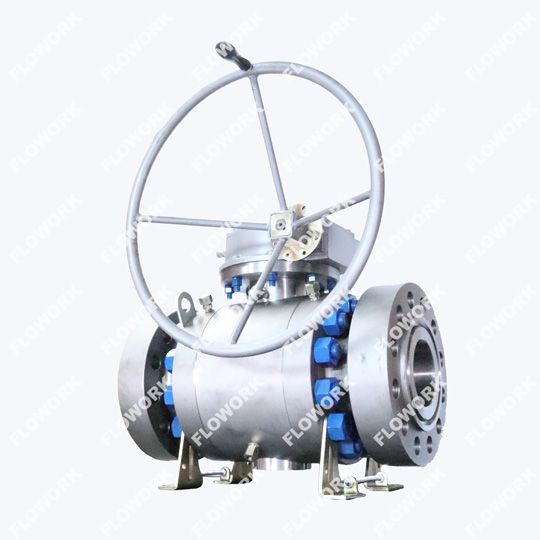
This is a classic question that traps many operators. The short answer is no—using a standard ball valve for continuous flow control usually leads to a major technical headache.
Here is a detailed breakdown of why standard models fail at throttling, and what you should use instead:
Why Standard Ball Valves Fail at Throttling
- Severe Seat Erosion: When you crack a standard ball valve only halfway open, the fluid does not rush straight through. Instead, it hits the exposed edges of the soft valve seats with intense velocity and concentrated force.
- Torn Seals and Leakage: This constant high-speed friction rapidly tears and wears down the sealing material. Once the seat is damaged, the valve will leak completely the next time you try to close it.
- Cavitation and Noise: Throttling with a standard sphere creates high turbulence and pressure drops inside the valve body. This leads to cavitation (imploding vapor bubbles) that can pit the metal and cause heavy system vibration.
The Specialized Solution for Your Business
- Upgrade to a V-Port Ball Valve: If your pipeline absolutely requires a rotary design for fine flow control, you must buy a specialized V-port ball valve.
- How V-Ports Save Your System: These feature a precise V-shaped notch cut directly into the ball. As the valve opens, the V-shape exposes a small, controlled path for the fluid, safely managing the pressure drop and protecting the internal seats from destructive wear.
Why is Stainless Steel Plug Valves Crucial for Corrosive Environments
When your piping system handles aggressive acids, salty seawater, or harsh chemicals, regular carbon steel will rust away fast. That is where stainless steel plug valves save the system.
Fights Pitting and Rust: Stainless steel contains chromium and nickel, which form a protective layer that stops chemicals from eating holes into the metal.
Protects the Sealing Sleeve: In a non-lubricated plug valve, the stainless steel plug rotates against a tough Teflon sleeve. This combination prevents the valve from seizing up or freezing in place.
Zero Contamination: For chemical processing, stainless steel ensures the valve metal does not react with your fluid, keeping your product pure.
FAQs
Which valve provides a better seal for thick slurries?
A plug valve wins because its large surface area wipes away solids and leaves no hidden cavities to trap debris.
Why do plug valves take more effort to turn than ball valves?
The massive contact area between the plug and the valve sleeve creates high friction, requiring much more operating torque.
Can a standard ball valve be used for continuous throttling?
No, partial opening exposes the delicate seats to high-velocity fluid, causing rapid erosion and permanent leaks.
Can you service a plug valve without removing it from the pipe?
Yes, you can easily adjust the top bolts or inject fresh sealant directly while it remains inline.
Conclusion
Both options are fantastic quarter-turn solutions for your modern pipeline network. Just match the valve to your fluid type, space, and automation needs. Ready to upgrade your industrial piping system with high-quality, certified valves? Contact FLOWORK specialist team today to get a fast, custom quote for your project!