English
 Español

Understanding the Role of Check Valves in Industrial Automation
Introduction
You rely on automated industrial systems every day, from production lines to fluid handling networks. Check valves play a crucial role in keeping these systems safe, efficient, and reliable. Understanding their function can help you optimize your operations and prevent costly downtime in automated environments.
What Are Check Valves?

Structure and Function of Check Valves
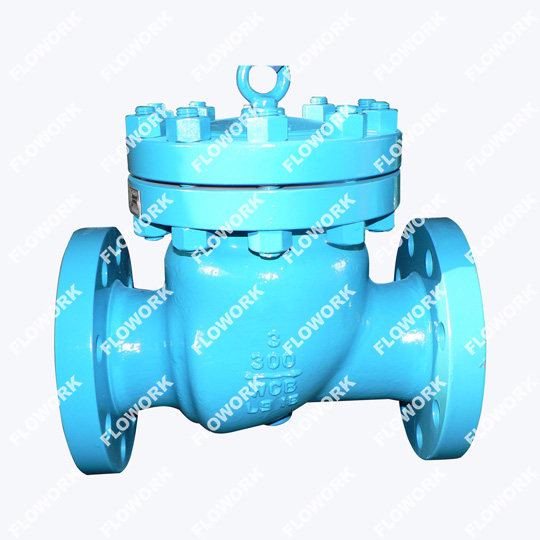
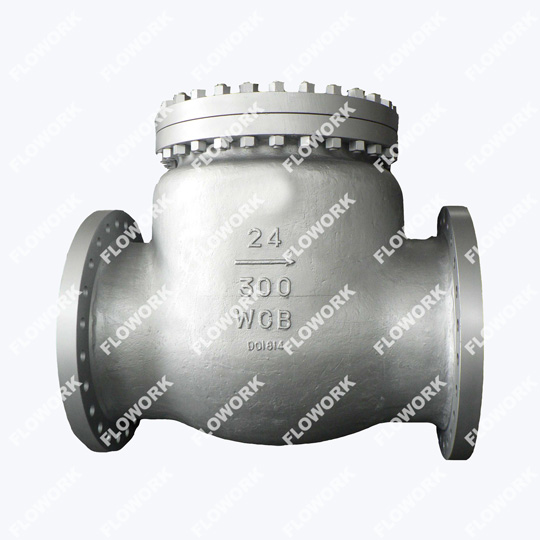
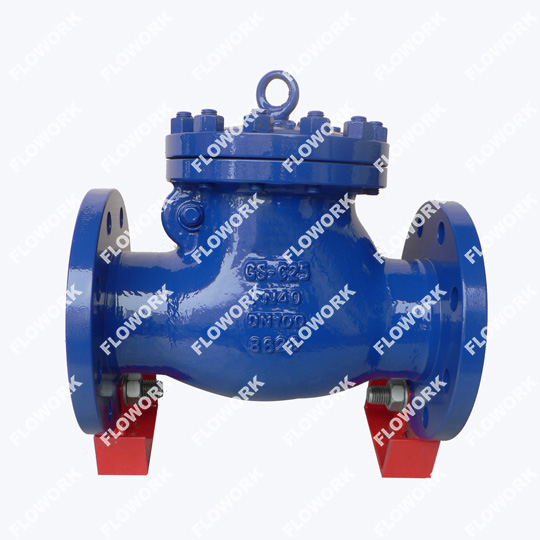
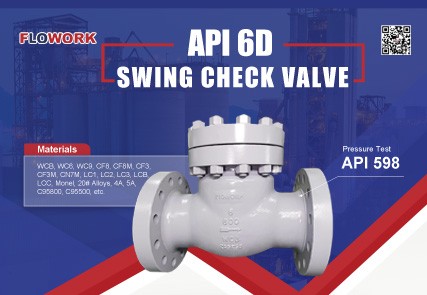
Check valves are specially designed to allow fluid to flow in one direction only. They prevent reverse flow that could damage equipment or disrupt automated processes. Their simple yet effective structure ensures smooth operation in complex industrial systems. Using high-quality check valves ensures reliability and long service life.
How Check Valves Differ from Other Industrial Valves
Unlike standard control valves, check valves operate automatically without manual intervention or external power. They differ in design, often featuring a disc, ball, or swing mechanism that responds to fluid pressure. This makes them ideal for industrial automation applications where consistency and safety are key.
Role of Check Valves in Industrial Automation
Preventing Backflow in Automated Systems
In automated systems, check valves prevent backflow that could compromise production quality or damage sensitive equipment. By maintaining unidirectional flow, they protect pumps, compressors, and sensors from reverse pressure, ensuring smooth operation.
Maintaining System Efficiency and Safety
By preventing unwanted flow reversal, check valves enhance system efficiency and reduce the risk of leaks or failures. Properly installed industrial valves support operational safety, minimize downtime, and reduce maintenance needs.
How Check Valves Improve Automation Systems
Enhancing Flow Control Accuracy
Check valves contribute to accurate flow management in automated lines. They stabilize fluid movement, reducing turbulence and ensuring consistent process parameters. This precision is critical for high-speed production environments and complex fluid systems.
Reducing Equipment Wear and Downtime
Automatic backflow prevention reduces stress on pumps and other components, lowering wear and tear. Implementing check valves strategically extends equipment lifespan and minimizes unexpected downtime in industrial automation setups.
Benefits of Check Valves in Industrial Processes
Ensuring Operational Reliability
High-quality check valves ensure reliable operation under varied pressure and flow conditions. Their fail-safe design maintains system integrity, providing peace of mind for industrial operators managing critical processes.
Minimizing Maintenance Costs
By preventing reverse flow and pressure surges, check valves reduce the frequency of repairs and replacements. Efficient valves lower maintenance costs, making them a smart investment for industrial facilities.
Supporting Smart Automation Solutions
Modern smart check valves integrate with automated monitoring and IoT systems. They provide real-time performance data, enabling predictive maintenance and supporting fully automated industrial processes.
Design and Selection Considerations for Check Valves
Material and Pressure Requirements
Choosing the right material is essential. Stainless steel, brass, or high-grade alloys are commonly used depending on the pressure, temperature, and fluid type. Selecting a valve that meets these requirements ensures long-term performance.
Size and Flow Rate Selection
Proper sizing is crucial to avoid excessive pressure drops or flow restrictions. Evaluate your system's flow rate and select a check valve designed to handle the required capacity without compromising efficiency.
Integration with IoT-enabled Systems
For automated or IoT-enabled plants, consider check valves that allow sensor integration and real-time monitoring. This ensures seamless operation in smart industrial environments.
Applications of Check Valves in Industrial Automation
Automated Production Lines
Check valves are essential in assembly lines, packaging, and manufacturing systems. They maintain consistent fluid flow for hydraulic or pneumatic processes, ensuring uninterrupted operations.
Fluid Handling and Process Systems
From chemical dosing to water treatment, industrial check valves control fluid direction and prevent contamination in complex processing systems.
Smart Factory and IoT Applications
In smart factories, check valves work with sensors and automated controllers, contributing to real-time monitoring and intelligent flow management.
FAQs
What is the main function of a check valve in automation?
A check valve prevents reverse flow, ensuring unidirectional fluid movement and protecting automated equipment.
How do check valves enhance industrial system efficiency?
By preventing backflow and maintaining stable flow, check valves reduce wear on components and minimize downtime.
Can check valves be integrated with smart automation systems?
Yes, modern check valves can connect with IoT sensors to provide real-time performance data and support predictive maintenance.
Conclusion
You understand that check valves are indispensable in industrial automation. They prevent backflow, maintain system efficiency, and protect expensive equipment. Choosing the right valve for your processes ensures reliable, long-term performance. For high-quality check valves and comprehensive automation solutions, visit flowork for expert guidance.