English
 Español

What Makes Check Valves Critical for Preventing Backflow in Your System
Introduction
Check valves are vital components in fluid systems, ensuring that fluids flow in one direction and preventing backflow. This prevents contamination, protects equipment, and enhances system efficiency. In this article, we’ll explore the importance of check valves and their role in preventing backflow in industrial and commercial systems.
What Are Check Valves?

Check valves are automatic devices that allow fluid to flow in only one direction, preventing reverse flow. These valves are essential in protecting systems from contamination and damage caused by backflow. They are designed to function without any external control, making them highly reliable for fluid management.
Basic Function of Check Valves
Check valves open to allow fluid flow in the desired direction and automatically close when reverse flow is detected. This simple yet effective mechanism ensures that backflow doesn’t damage the system or cause contamination.
How Check Valves Differ from Other Valves
Unlike control valves, which are manually or electronically regulated, check valves operate automatically based on pressure changes. This makes them essential for systems where backflow must be prevented without external intervention.
How Check Valves Prevent Backflow
Backflow can cause contamination and damage in fluid systems. Check valves automatically close when reverse flow is detected, preventing these issues and maintaining system integrity.
The Science Behind Backflow Prevention
Check valves detect reverse flow through pressure changes. When pressure from reverse flow exceeds the system’s pressure, the valve closes, blocking backflow and protecting the system from contamination.
Preventing Reverse Flow in Different Systems
In industrial applications, backflow can cause severe issues, such as contamination of clean water or damage to pumps. Check valves ensure that fluid flows in the right direction, preventing these costly problems.
Types of Check Valves for Fluid Systems
There are several types of check valves, each suitable for different fluid systems and applications. The right choice depends on factors like pressure, flow rate, and the nature of the fluid.
Spring-Loaded Check Valves
These valves use a spring to close when there is no forward flow. They are reliable and commonly used in smaller systems where moderate pressure is involved.
Ball Check Valves
Ball check valves use a ball to block reverse flow. These valves are ideal for systems with fluctuating flow or higher pressure.
Swing Check Valves
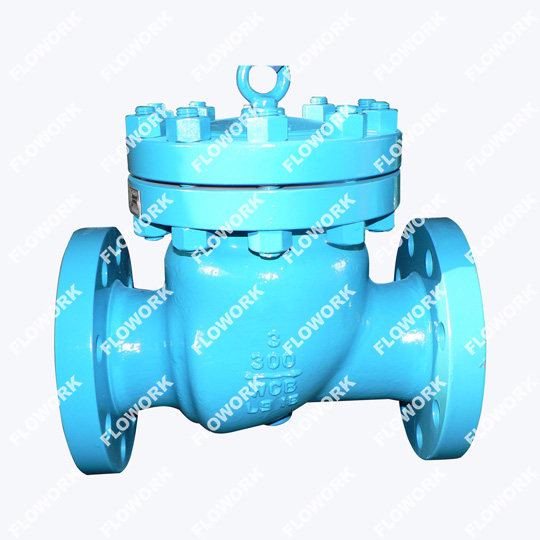
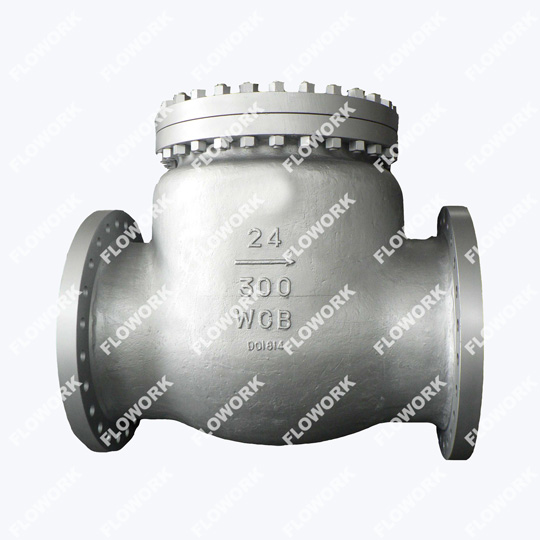
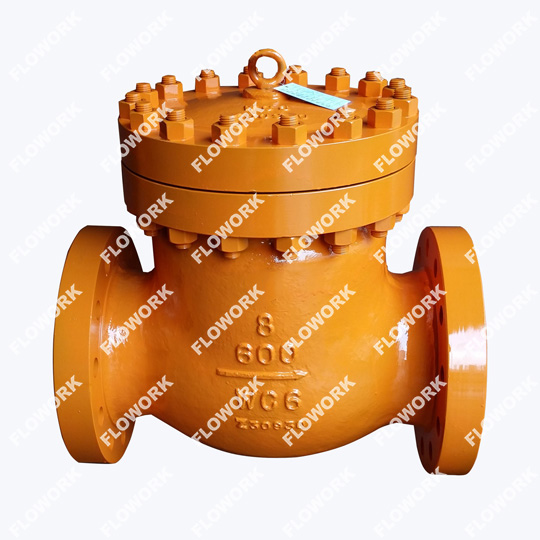
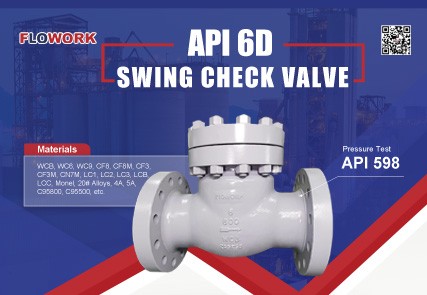
Swing check valves use a hinged disc to allow fluid to flow in the correct direction. They are commonly used in large systems where high flow rates are required.
Silent Check Valves
Silent check valves are designed to minimize noise and vibrations, making them ideal for residential and commercial plumbing systems.
Importance of Check Valves in Industrial Systems
Check valves are essential for protecting equipment, ensuring smooth system operation, and preventing contamination in industrial systems.
Protection of Equipment and Systems
By preventing backflow, check valves protect pumps, pipes, and other system components from damage. This increases equipment lifespan and reduces maintenance costs.
Ensuring Operational Efficiency
Check valves help maintain consistent flow and pressure in the system, ensuring that operations run smoothly without interruptions due to backflow.
Preventing Contamination
In systems that handle sensitive materials, such as drinking water or chemicals, backflow can introduce contaminants. Check valves prevent this, maintaining the purity of the fluids.
How to Choose the Best Check Valve for Your System
Selecting the right check valve involves considering factors like the type of fluid, system pressure, and valve material.
Factors to Consider When Selecting a Check Valve
Choose a check valve based on the type of fluid being transported, the pressure within the system, and the valve’s ability to handle reverse flow effectively.
Material and Design Considerations
The valve material should be compatible with the fluid it will handle. Stainless steel and brass are commonly used for industrial applications, while plastic valves are suitable for less demanding environments.
Common Mistakes to Avoid
Avoid selecting a valve that is too small for the system. A valve that is too small may fail under pressure or allow some reverse flow, defeating its purpose.
Common Applications of Check Valves
Check valves are widely used in various industries to prevent backflow and protect systems. Here are some common applications.
Industrial Use Cases
Check valves are crucial in industries like water treatment, chemical processing, and manufacturing, where they protect equipment and prevent fluid contamination.
Residential and Commercial Applications
In plumbing systems, check valves prevent backflow from contaminating potable water. They are also used in HVAC systems to control refrigerant flow.
FAQs
Why are check valves important in backflow prevention?
Check valves ensure fluid flows in one direction, preventing contamination and protecting system components from reverse flow damage.
How do I maintain a check valve?
Check valves should be inspected regularly for debris or wear. If damaged, replace the valve to avoid potential system failures.
Can check valves be installed in any type of pipe system?
Check valves are compatible with most pipe systems, but the valve type must match the system’s pressure and flow characteristics.
Conclusion
Check valves are essential for preventing backflow, protecting systems, and ensuring efficient operations. When selecting a check valve, consider system requirements, fluid type, and valve material. For reliable check valves, visit Flowork, offering high-quality solutions for industrial and commercial applications.