English
 Español

Why Valve Design Matters in Fluid Control Systems
Introduction
Valve design plays a critical role in how fluid control systems perform in real-world industrial environments. You rely on valves not only to regulate flow but also to ensure system stability, safety, and efficiency. Understanding why valve design matters helps you make informed decisions when selecting industrial fluid control valves for long-term, reliable operation.
Fundamentals of Valve Design
Purpose of Valve Design
Valve design defines how a valve controls, directs, or isolates fluid flow within a system. A well-designed valve ensures precise flow regulation, minimizes leakage, and supports stable operation under varying conditions. For industrial buyers, good valve design directly affects productivity, maintenance frequency, and operating costs.
Valve Design in Fluid Control Systems
In fluid control systems, valve design determines how smoothly fluids move through pipelines and equipment. Proper valve flow control design reduces turbulence, prevents unnecessary pressure drops, and helps maintain consistent system performance throughout daily operation.
Key Elements of Industrial Valve Design
Flow Path Design
Flow path design influences how fluid travels through the valve body. Optimized flow paths improve flow control accuracy and reduce energy loss. Industrial valve design often prioritizes streamlined internal structures to support stable and predictable flow behavior.
Sealing Structure
Sealing is essential for preventing leaks and maintaining system integrity. Valve design must consider sealing materials, contact surfaces, and structural alignment. Effective sealing structures protect downstream equipment and enhance overall valve performance in fluid systems.
Actuation and Control
Actuation mechanisms determine how a valve opens, closes, or modulates flow. Control valve design focuses on responsiveness and repeatability, allowing operators to manage flow precisely under changing process conditions.
How Valve Design Affects Valve Performance
Flow Control Accuracy
Valve design directly impacts how accurately flow can be adjusted. Well-designed valves provide smooth regulation, helping you maintain stable flow rates and consistent process results in industrial applications.
Pressure and Temperature Handling
Industrial environments often involve high pressure and temperature variation. Valve design must support these conditions without deformation or leakage. Structural strength and material selection play a key role in long-term valve durability.
Reliability and Service Life
Thoughtful valve design reduces internal wear and mechanical stress. This improves reliability, extends service life, and lowers total ownership costs over long-term operation.
Valve Design Considerations for Industrial Applications
Media Compatibility
Different fluids require different valve design approaches. Valve materials and internal structures must be compatible with the working media to avoid corrosion, contamination, or performance loss.
Operating Conditions
Valve design should align with real operating conditions, including pressure range, temperature fluctuations, and flow frequency. Matching design characteristics to actual use ensures dependable performance over time.
Common Valve Design Types in Fluid Control Systems
Control Valve Design
Control valve design emphasizes precise modulation and automation compatibility. These valves are widely used where accurate flow control is essential for efficiency and process stability.
Industrial Fluid Control Valves
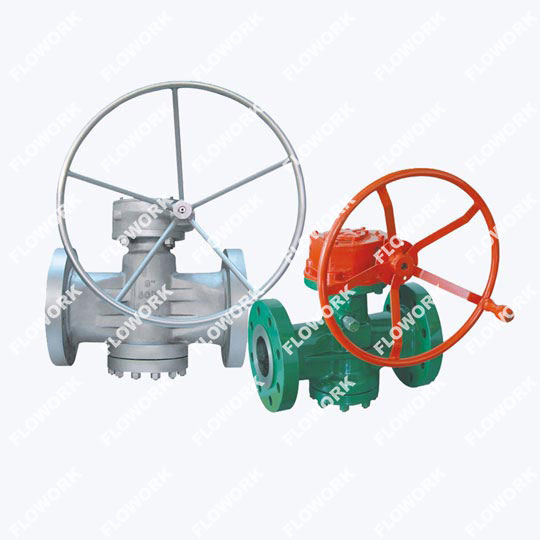
Industrial fluid control valves focus on durability and operational reliability. Their design supports long-term use across demanding industrial environments and varied application scenarios.
FAQs
Why does valve design matter in fluid control systems?
Valve design affects flow accuracy, sealing performance, system stability, and long-term operational reliability.
How does valve design affect valve performance?
Proper valve design improves flow control, pressure resistance, and service life while reducing leakage and maintenance needs.
What factors should be considered in industrial valve design?
Key factors include media compatibility, operating pressure and temperature, flow requirements, and maintenance expectations.
Conclusion
Valve design is a foundational factor in achieving reliable and efficient fluid control systems. By understanding the importance of industrial valve design and its impact on valve performance, you can make more informed purchasing decisions. Flowork provides professionally engineered industrial fluid control valves designed for long-term performance, helping you build stable and efficient systems with confidence.